Why American Farmers Can’t Ignore Agri Technology in 2026
Agri technology 2026 is no longer a future concept—it’s a necessity for farmers across the United States. Rising input costs, labor shortages, unpredictable weather, water scarcity, and pressure to produce more food sustainably are real problems U.S. farmers face every single season.
A corn grower in Iowa worries about fertilizer efficiency.
A dairy farmer in Wisconsin struggles with labor availability.
A vegetable grower in California faces water restrictions and climate stress.
Traditional farming methods alone are no longer enough. This is where modern agricultural technology steps in—helping farmers reduce waste, improve yields, cut costs, and make smarter decisions using real-time data.
In this guide, we’ll explore agri technology in 2026, how it’s used in real U.S. farms, what technologies matter most, and how beginners and intermediate farmers can adopt them without getting overwhelmed.
What Is Agri Technology? (Simple Explanation)
Agri technology—also called agricultural technology or agtech—refers to the use of modern tools, software, machines, and data systems to improve farming efficiency and sustainability.
According to general definitions of agriculture and technology explained on Wikipedia, agri technology combines science, engineering, and digital tools to solve farming challenges.
In practical terms, agri technology helps farmers:
- Grow more with fewer resources
- Reduce environmental impact
- Make data-driven decisions
- Lower operational costs
- Improve long-term farm profitability
FoxFarm soil has become a household name among gardeners and growers in the United States—and for good reason.
Why So Many U.S. Growers Struggle With Soil Quality
Why Agri Technology Matters More in the USA in 2026
American agriculture operates on a massive scale, but it also faces unique challenges.
Key U.S.-Specific Problems
- Labor shortages in rural areas
- Rising fuel and fertilizer prices
- Climate volatility (droughts, floods, heatwaves)
- Pressure to meet sustainability standards
- Competition in global food markets
Agri technology addresses these issues directly by replacing guesswork with precision.
Major Agri Technology Trends in 2026
Let’s break down the most important agri technology trends shaping U.S. farming in 2026.
Precision Agriculture: Farming by the Inch, Not the Acre
Precision agriculture is the backbone of modern agri technology.
What It Means
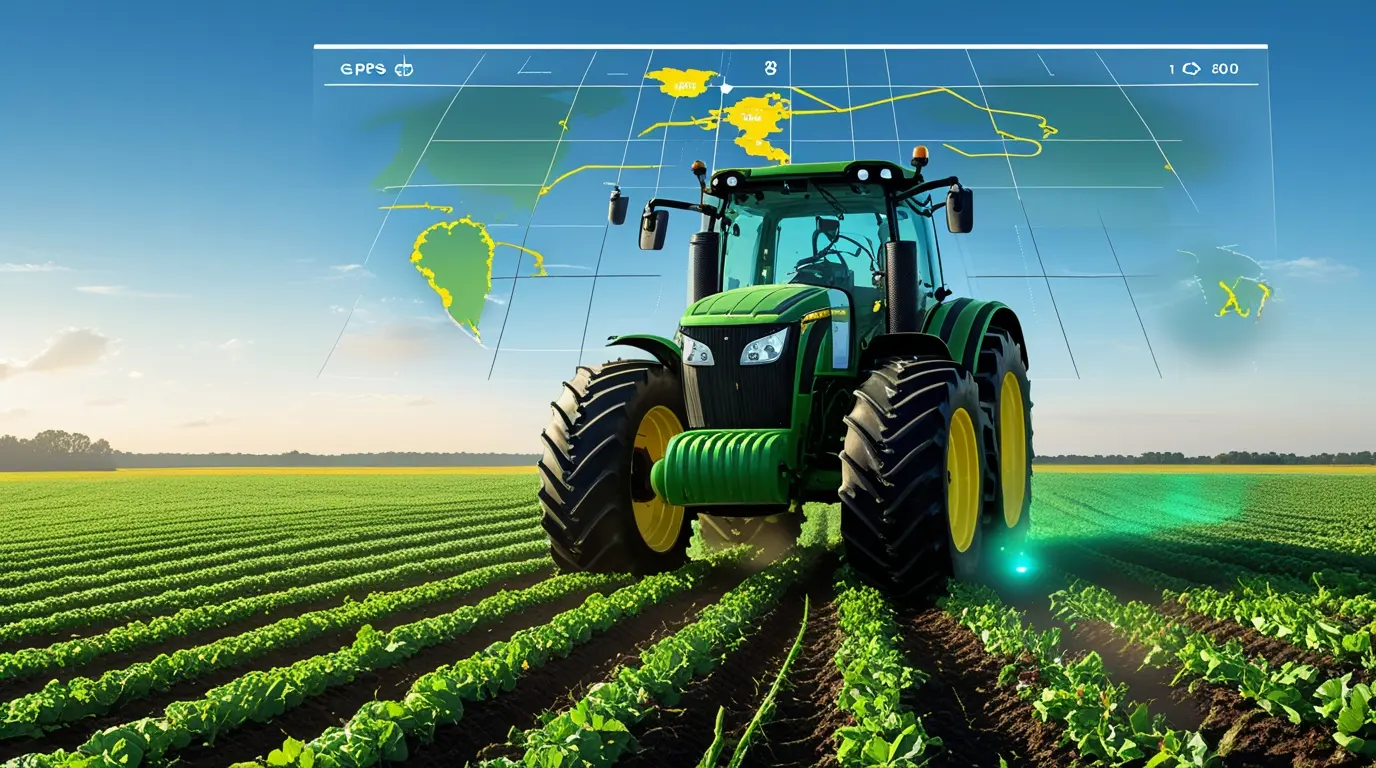
Instead of treating an entire field the same way, farmers use GPS, sensors, and data analytics to manage crops zone by zone.
Real U.S. Examples
- Variable-rate fertilizer application in Midwest corn farms
- GPS-guided tractors reducing overlap and fuel waste
- Soil mapping to target nutrients exactly where needed
Benefits
- Lower input costs
- Higher yields
- Reduced environmental impact
The USDA (.gov) actively supports precision agriculture through research and sustainability initiatives.
Artificial Intelligence (AI) in Agriculture
AI is one of the fastest-growing agri technology tools in 2026.
How AI Is Used on Farms
- Predicting crop diseases before symptoms appear
- Analyzing weather patterns and yield forecasts
- Optimizing irrigation schedules
- Automating livestock monitoring
Why AI Matters
AI helps farmers move from reactive decisions to predictive farming, saving money and time.
Universities and agricultural research institutions (.edu) across the U.S. are investing heavily in AI-driven farming research.
Smart Farm Equipment and Automation
Farm machinery in 2026 is smarter than ever.
Examples of Smart Equipment
- Self-driving tractors
- Automated seed planters
- Robotic weeders
- Smart harvesters
Benefits for U.S. Farmers
- Reduced labor dependency
- Improved safety
- Consistent performance
Large equipment manufacturers are integrating digital platforms into machinery, helping farmers track performance in real time.
If you’re running a small farm, homestead, or acreage in the USA, choosing the right tractor can make all the difference. But with so many options, which one truly matches your needs and budget in 2026? If you want to know best tractor for small farm USA on 2026 then you must read.
Drones and Aerial Imaging in Agriculture
Drones are no longer just experimental tools—they are practical agri technology assets.
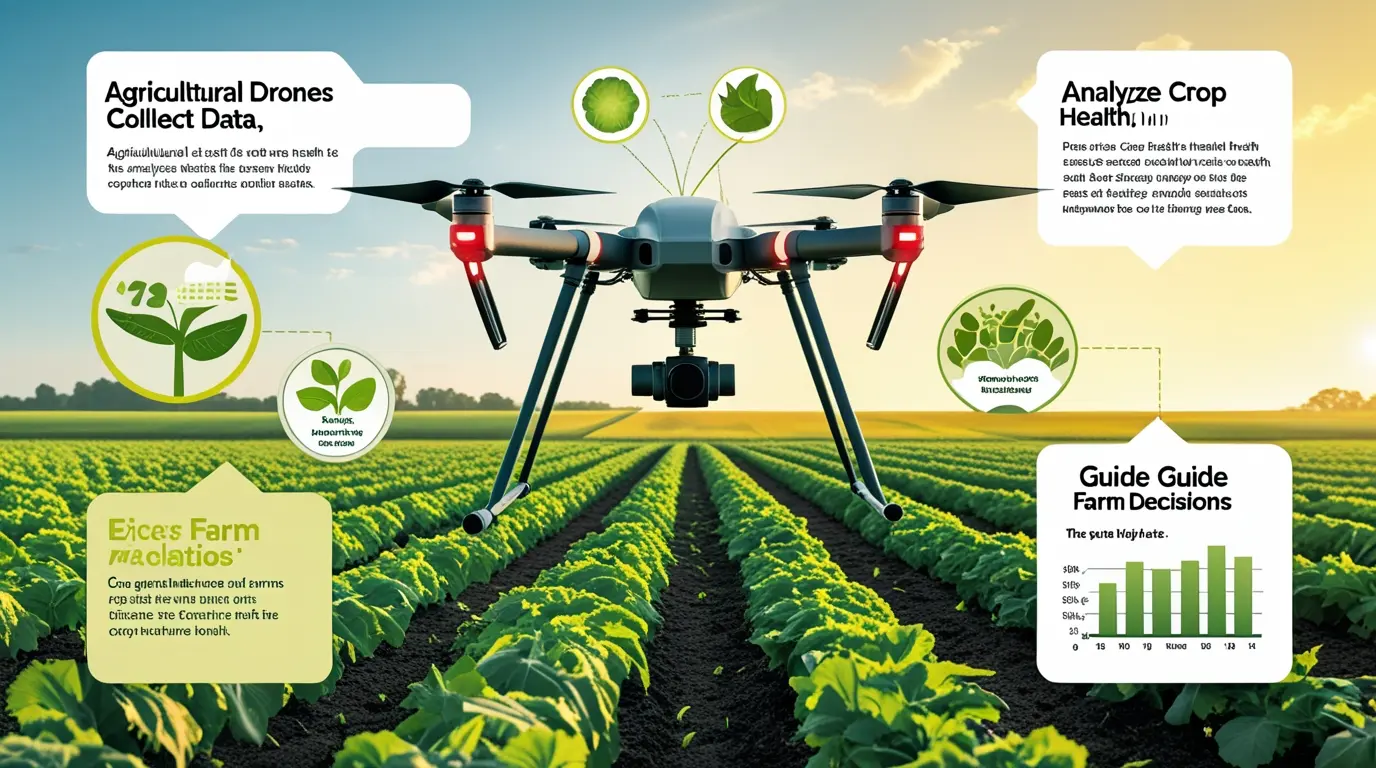
What Drones Do
- Monitor crop health
- Identify pest or disease outbreaks
- Assess irrigation issues
- Map large fields quickly
Practical Use Case
A soybean farmer can scan hundreds of acres in minutes instead of hours, allowing early intervention and reduced crop loss.
Internet of Things (IoT) in Farming
IoT refers to connected devices that collect and share data automatically.
Common IoT Devices in 2026
- Soil moisture sensors
- Weather stations
- Livestock tracking collars
- Smart irrigation controllers
Why IoT Is Powerful
Farmers get real-time insights instead of relying on estimates.
This aligns with soil and water conservation principles promoted by USDA and land-grant universities.
Smart Irrigation and Water Management
Water management is a major concern, especially in western U.S. states.
Smart Irrigation Systems
- Adjust watering based on soil moisture
- Integrate weather forecasts
- Reduce water waste
Impact
- Lower water bills
- Healthier crops
- Compliance with water regulations
Agri technology helps farmers do more with less water—critical in drought-prone regions.
Biotechnology and Advanced Crop Genetics
Biotechnology continues to play a role in agri technology 2026.
Key Developments
- Drought-resistant crops
- Pest-tolerant varieties
- Improved nutrient efficiency
These technologies help stabilize yields while reducing chemical inputs.
Farm Management Software and Data Platforms
Modern farms run on data.
What Farm Management Software Does
- Tracks expenses and profits
- Manages planting schedules
- Stores yield and soil data
- Helps with compliance reporting
Many U.S. farmers now treat their farms like data-driven businesses rather than purely physical operations.
Benefits of Agri Technology for U.S. Farmers
Economic Benefits
- Reduced input costs
- Improved efficiency
- Better profit margins
Environmental Benefits
- Less chemical runoff
- Better soil health
- Reduced carbon footprint
Social Benefits
- Improved work-life balance
- Safer working conditions
- Support for sustainable food systems
Challenges and Limitations of Agri Technology
Agri technology isn’t without challenges.
Common Barriers
- High initial investment
- Learning curve for new tools
- Connectivity issues in rural areas
- Data privacy concerns
However, government programs and extension services are helping farmers overcome these barriers.
Internal Link: (Internal Link: Government support programs for smart farming)
How Small and Mid-Size Farmers Can Adopt Agri Technology
You don’t need a massive budget to start.
Practical Entry Points
- Start with soil sensors
- Use basic farm management apps
- Try drone services before buying equipment
- Adopt GPS guidance gradually
Incremental adoption is often the smartest approach.
Role of Government and Research Institutions
The U.S. government actively supports agri technology through:
- USDA research programs (.gov)
- University extension services (.edu)
- Sustainability grants and pilot programs
These efforts ensure technology remains accessible beyond large corporate farms.
Agri Technology and Sustainability Goals
In 2026, sustainability is closely tied to technology.
Agri technology supports:
- Climate-smart agriculture
- Regenerative farming practices
- Long-term soil productivity
This balance between productivity and environmental responsibility is central to the future of U.S. agriculture.

Frequently Asked Questions (FAQs)
What is agri technology in simple terms?
Agri technology is the use of modern tools like AI, sensors, software, and smart machines to make farming more efficient and sustainable.
Is agri technology only for large farms?
No. Many tools are affordable and scalable for small and mid-size farms.
Does agri technology replace farmers?
No. It supports farmers by reducing manual work and improving decision-making.
Is agri technology expensive?
Some tools are costly, but many entry-level solutions provide quick returns on investment.
How does agri technology help the environment?
It reduces waste, improves water efficiency, and promotes sustainable land use.
Conclusion: The Future of U.S. Farming Is Smart, Data-Driven, and Sustainable
Agri technology 2026 is not about replacing tradition—it’s about strengthening it.
Farmers who embrace technology:
- Make better decisions
- Reduce risks
- Improve sustainability
- Stay competitive
Whether you manage 10 acres or 10,000, the future of American agriculture will belong to those who combine experience with innovation.
Written by Janardan Tharkar – SEO content researcher with practical experience in blogging, digital publishing, and content optimization.

Written by Janardan Tharkar – an agriculture content researcher and blogging professional with practical experience in farming education, digital publishing, and SEO content optimization. Janardan focuses on modern U.S. agriculture trends, smart farming technologies, irrigation systems, crop development, organic farming practices, and farmer-support programs to create helpful, practical, and trustworthy content for American readers.