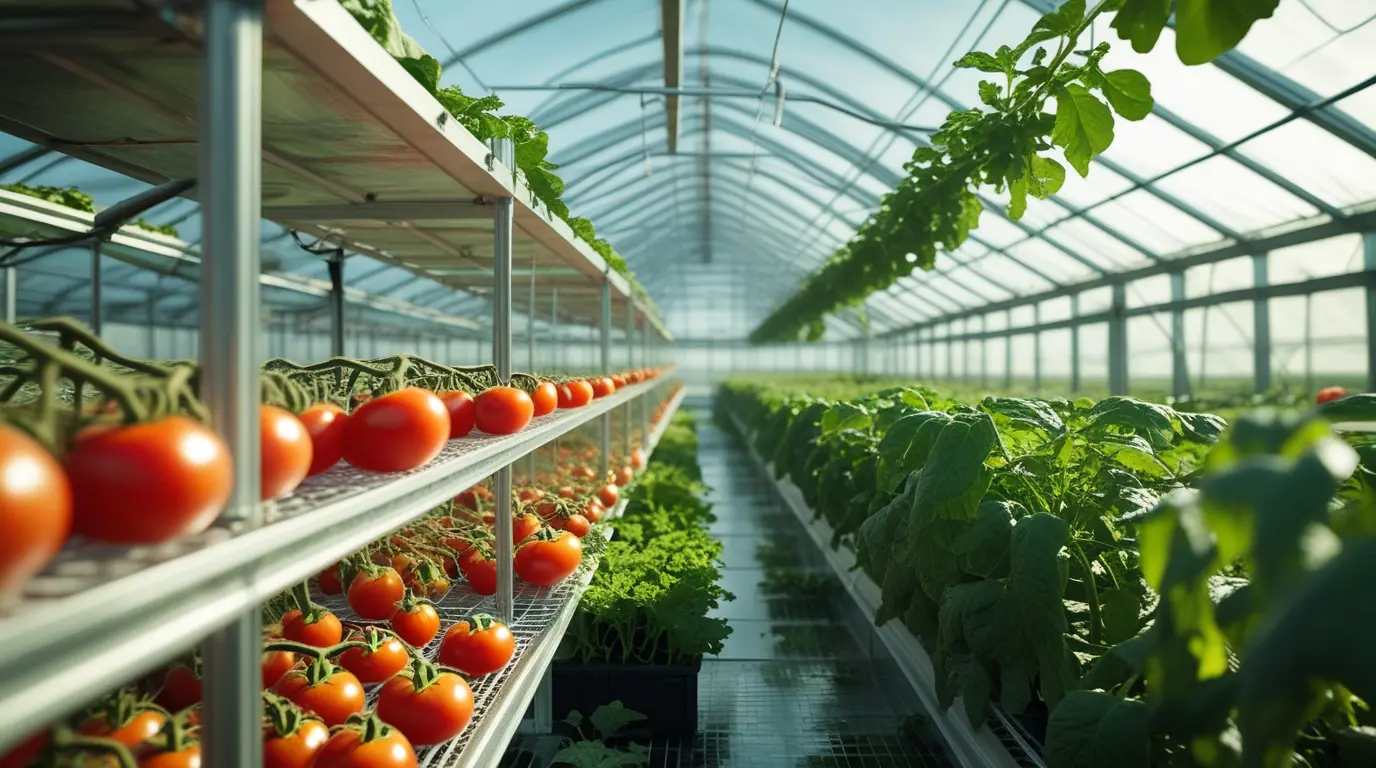
As the United States moves closer to 2026, one question is becoming common among small farmers, landowners, and agri-entrepreneurs:
“Is Greenhouse Farming Profit in USA, or is it just another expensive farming trend?”
This is a fair question.
Across states like Texas, California, Florida, and Michigan, many growers are facing the same challenges—unpredictable weather, rising water costs, labor shortages, and pressure to supply fresh produce year-round. Because of this, greenhouse farming is no longer seen as a luxury or experimental method. For many, it has become a practical business decision.
In this detailed 2026 guide, we’ll break down:
- Real greenhouse setup costs in the USA
- Honest profit expectations
- Crops that actually make money
- State-wise opportunities
- Insurance and government support
No hype. No fake income claims. Just realistic information for USA farmers.
What Exactly Is Greenhouse Farming in the USA?
Greenhouse farming means growing crops inside a protected structure where temperature, humidity, light, and water are controlled. Unlike open-field farming, greenhouse growers don’t have to depend entirely on weather conditions.
In the USA, greenhouse farming is commonly used for:
- Vegetables like tomatoes and lettuce
- Culinary herbs
- Strawberries and specialty crops
From small family-run greenhouses to large commercial operations, this method fits a wide range of farming scales.
👉 According to the U.S. Department of Agriculture, controlled environment agriculture such as greenhouse farming plays a growing role in improving food security and climate resilience in the United States.https://www.usda.gov
Why More US Farmers Are Choosing Greenhouses in 2026
Many growers say the same thing: predictability matters more than ever.
Greenhouse farming helps with:
- Year-round production
- Better water efficiency
- Reduced crop loss from extreme weather
- Stable supply for grocery chains and restaurants
According to data and reports from the US Department of Agriculture, controlled environment agriculture continues to grow steadily as climate risks increase.
🔗 External reference (authority link):
USDA – Controlled Environment Agriculture
https://www.usda.gov
How Much Does Greenhouse Farming Cost in the USA? (2026 Reality)
One of the biggest concerns beginners have is cost—and rightly so. Greenhouse farming requires upfront investment, but the amount depends heavily on size, technology, and location.
Average Greenhouse Setup Cost (Small to Medium Scale)
| Expense | Estimated Cost (USD) |
|---|---|
| Greenhouse structure | $6,000 – $25,000 |
| Irrigation & fertigation | $1,000 – $3,000 |
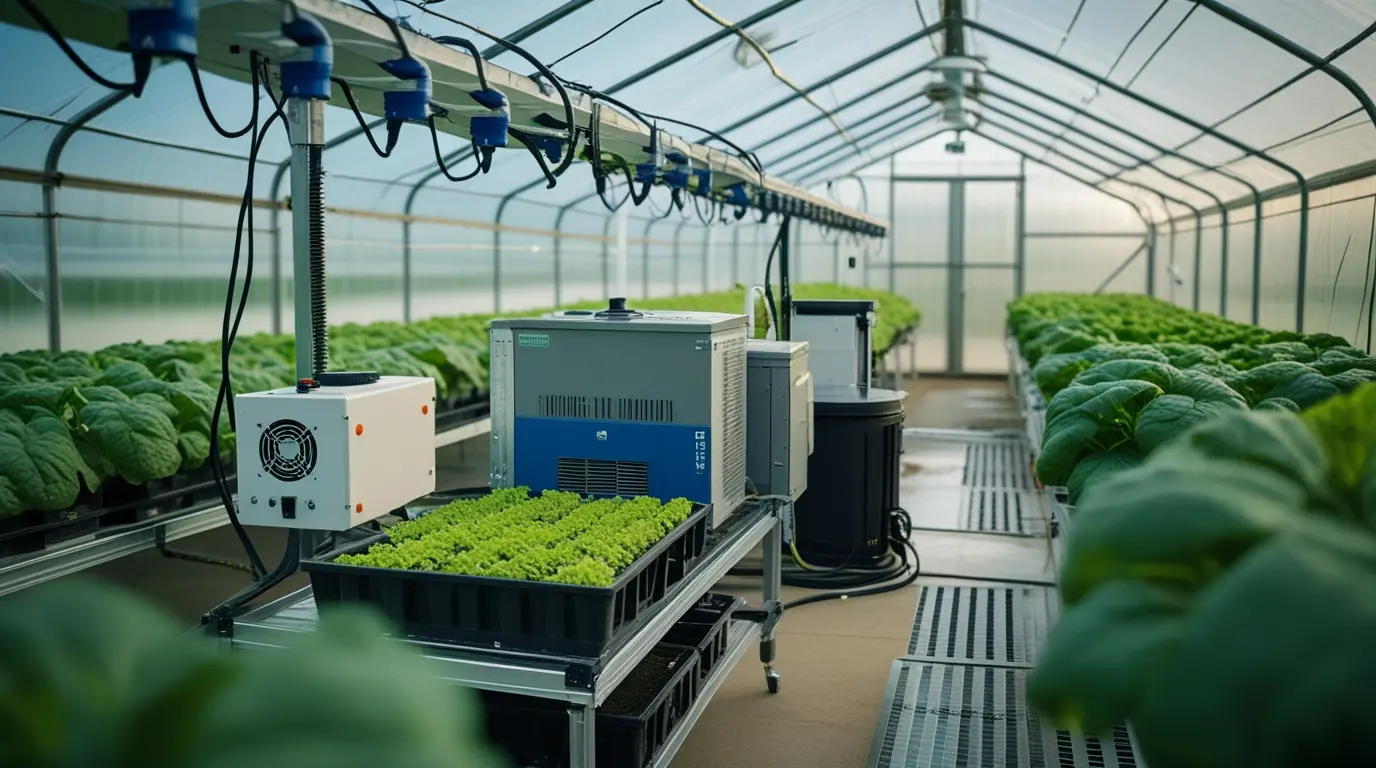
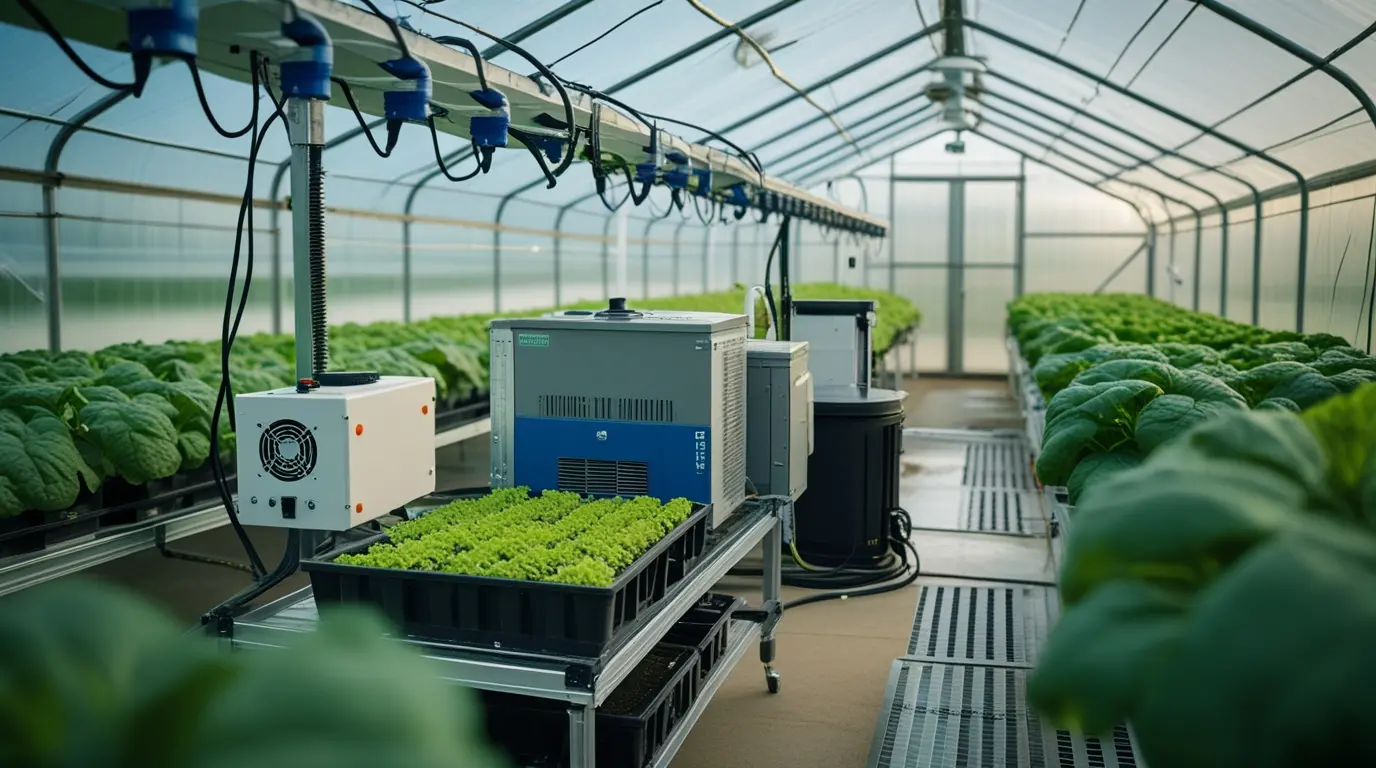
| Heating & cooling systems | $2,000 – $6,000 |
| LED grow lights | $1,500 – $4,000 |
| Seeds & planting material | $400 – $1,000 |
| Installation & labor | $800 – $2,000 |
👉 Total Initial Investment (2026):
$12,000 – $40,000
Growers in colder states often spend more on heating, while farmers in southern states may spend more on cooling and ventilation. This is why location matters.
👉 For know more on Medicare Commissions for 2026 https://thaindusonline.in/medicare-commissions-2026-projected/
Best Crops for Greenhouse Farming in the USA (What Actually Sells)
Not every crop performs well inside a greenhouse. Experienced growers usually recommend starting with high-demand, fast-moving crops.
Tomatoes
Tomatoes remain the most popular greenhouse crop in the USA. They have steady demand from grocery stores, food chains, and local markets. When managed well, tomatoes provide consistent returns.
Lettuce and Leafy Greens
Leafy greens are ideal for beginners. They grow fast, require less space, and are popular with restaurants and health-conscious consumers.
Culinary Herbs
Herbs like basil and mint are small but powerful profit crops. Many urban and peri-urban greenhouse farms rely on herbs because of their high value per square foot.
Strawberries
Strawberries can be very profitable, especially in premium markets, but they require experience and careful climate control.
👉 A practical tip many US growers follow:
Start with one main crop, master it, then diversify.
👉 Know about How to improve Credit Score https://thaindusonline.in/how-i-improved-my-credit-score/
Greenhouse Farming Profit in the USA (Honest Numbers)
Profit depends on management, crop choice, and energy efficiency. Here’s what realistic earnings look like in 2026.
Small Greenhouse (1,000–2,000 sq ft)
- Annual revenue: $28,000 – $45,000
- Annual expenses: $15,000 – $22,000
- Net profit: $12,000 – $20,000
Medium Greenhouse (5,000 sq ft)
- Annual revenue: $80,000 – $140,000
- Annual expenses: $45,000 – $75,000
- Net profit: $30,000 – $60,000
Commercial Operations
Large commercial greenhouses often operate on contracts and bulk supply. Net margins usually fall between 25% and 40%.
👉 Most well-managed greenhouses recover their initial investment within 2–4 years.
Energy efficiency is a major factor in greenhouse profitability, and resources from the U.S. Department of Energy help farmers understand heating, cooling, and energy-saving technologies.https://www.energy.gov
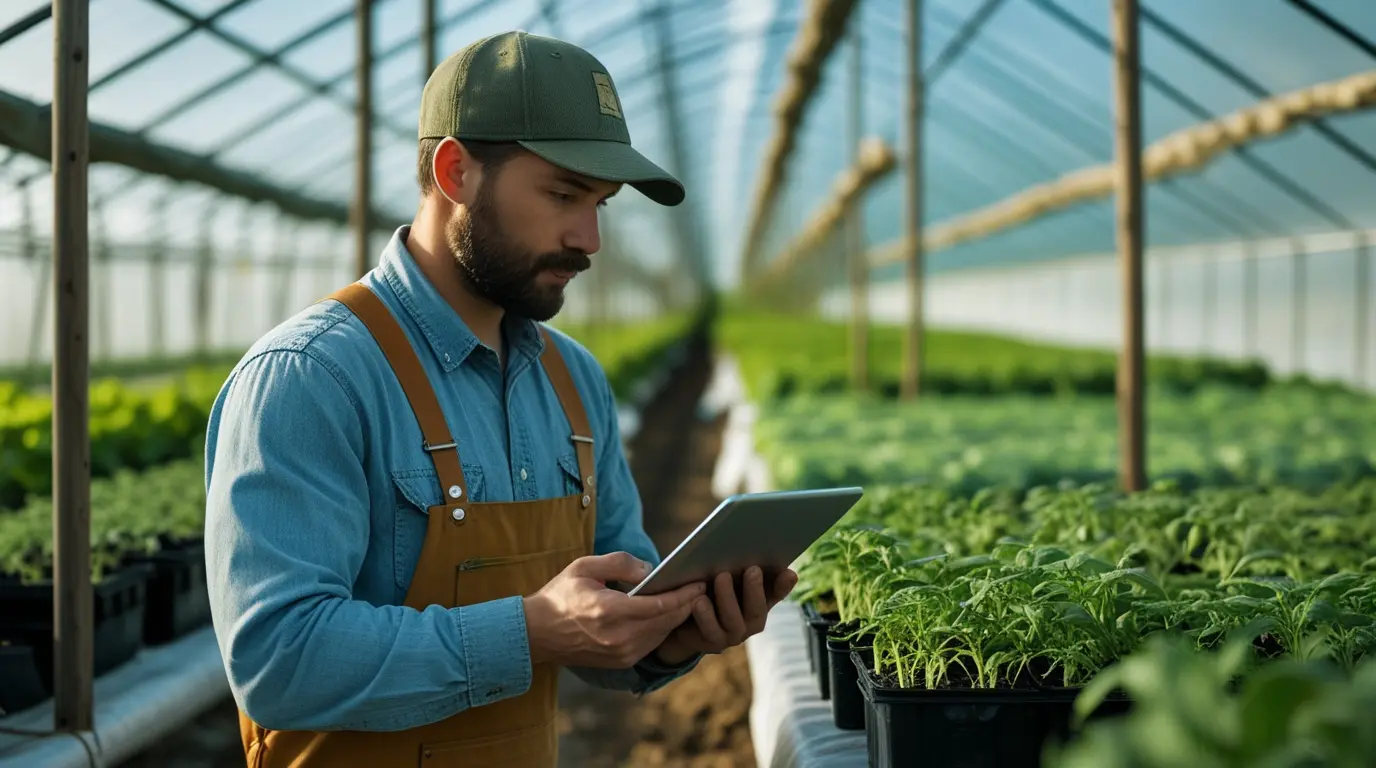
Which US States Are Best for Greenhouse Farming?
Some states offer better market access, infrastructure, and support.
Top Greenhouse-Friendly States in 2026
- California
- Texas
- Florida
- Arizona
- Michigan
- New York
These states benefit from strong local demand, logistics networks, and agriculture support programs.
🔗 External reference:
National Sustainable Agriculture Coalition
https://sustainableagriculture.net
Insurance and Risk Management (Often Ignored, Always Important)
One mistake beginners make is skipping insurance. Greenhouses involve infrastructure, equipment, and crops—risk management is essential.
Common Greenhouse Insurance Coverage
- Structure and equipment protection
- Crop insurance
- Business interruption coverage
Insurance helps protect against storms, fires, and system failures. For many growers, this is what keeps a bad season from becoming a financial disaster.
Advantages and Limitations (Balanced View)
Advantages
- Year-round growing
- Higher yield per square foot
- Better water efficiency
- More predictable income
Limitations
- Higher startup cost
- Energy expenses
- Requires technical learning
Greenhouse farming is not “easy money,” but it is structured, scalable farming.
Final Thoughts (From a Practical Perspective)
Greenhouse farming in the USA is not a shortcut to instant wealth. But for farmers who value control, consistency, and long-term sustainability, it offers a strong opportunity going into 2026 and beyond.
Start small. Learn the system. Understand your local market.
That’s how successful greenhouse businesses are built.

Written by Janardan Tharkar – an agriculture content researcher and blogging professional with practical experience in farming education, digital publishing, and SEO content optimization. Janardan focuses on modern U.S. agriculture trends, smart farming technologies, irrigation systems, crop development, organic farming practices, and farmer-support programs to create helpful, practical, and trustworthy content for American readers.