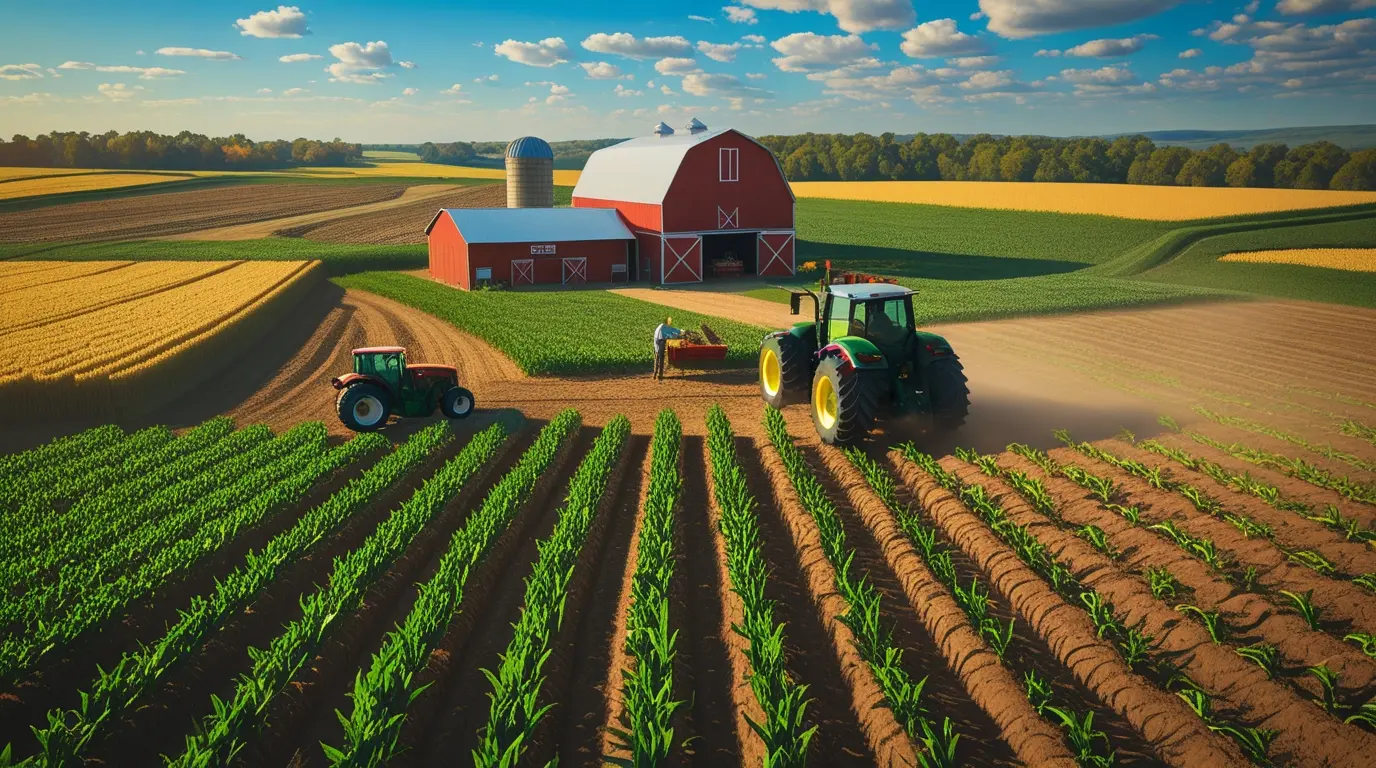
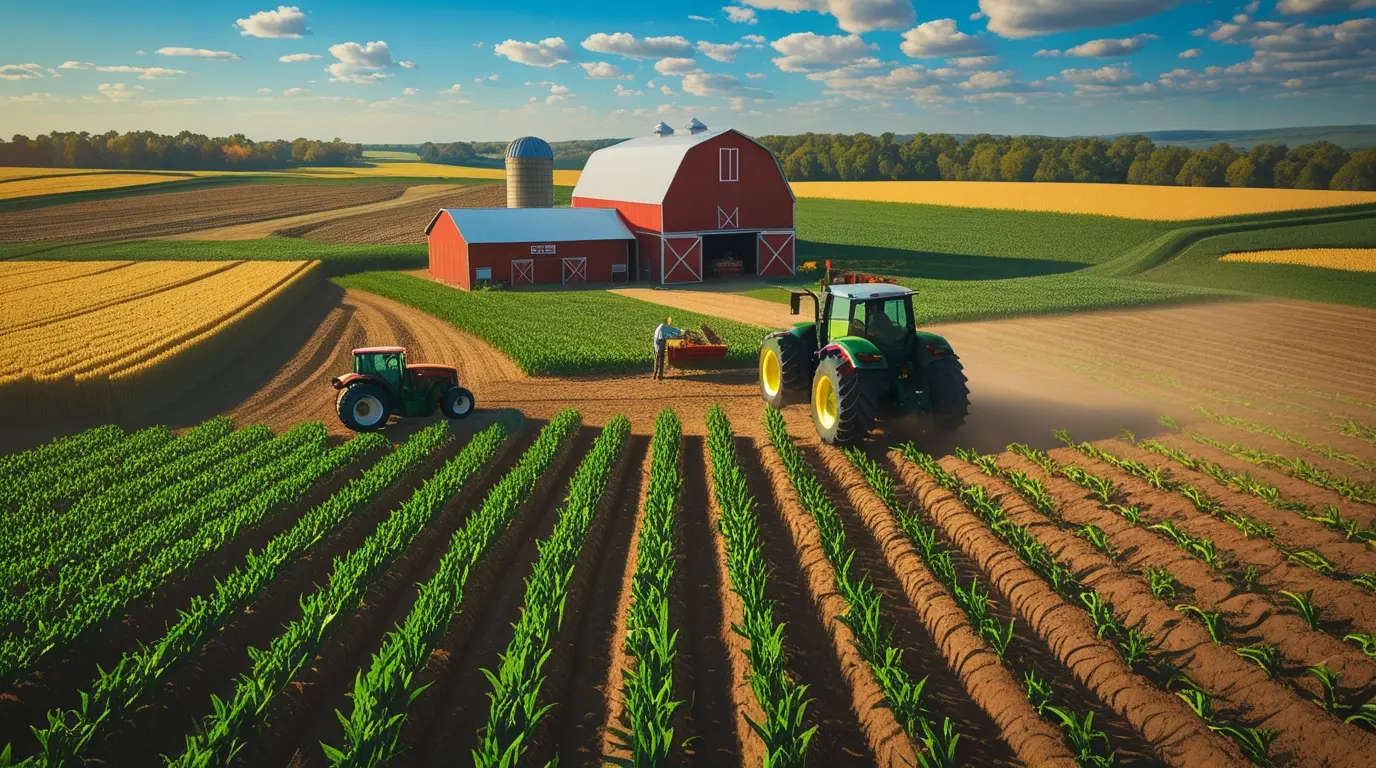
Farming in the USA looks powerful from the outside—endless cornfields, massive tractors, and high-tech equipment. But behind that image is a real challenge many Americans don’t see. New farmers struggle with rising land prices, climate uncertainty, labor shortages, and confusing government programs. Even experienced farmers are constantly adapting to new technology, market shifts, and sustainability demands.
This guide is written for USA readers who want a clear, honest understanding of American farming—whether you’re curious, planning to start a small farm, investing, or simply want to know where your food comes from. No hype. No sales talk. Just practical, experience-based explanations.
Understanding Farming in the USA: The Big Picture
Farming in the United States is one of the most advanced agricultural systems in the world. It feeds over 330 million Americans and supplies food to global markets.
According to the USDA, the USA has over 1.9 million farms, and most of them are family-owned, not corporate giants as often assumed (Source: USDA Economic Research Service – ers.usda.gov).
American farming is diverse. What works in Iowa may completely fail in Arizona. Climate, soil, water access, and market demand change everything.
Key Facts About U.S. Farming
- Average farm size: ~446 acres
- Family-owned farms: ~98%
- Major outputs: Corn, soybeans, wheat, beef, poultry, dairy
- Technology-driven and capital-intensive
- Highly regulated but strongly supported by government programs
Types of Farming in the USA
1. Crop Farming (Row Crops & Specialty Crops)
Crop farming dominates U.S. agriculture.
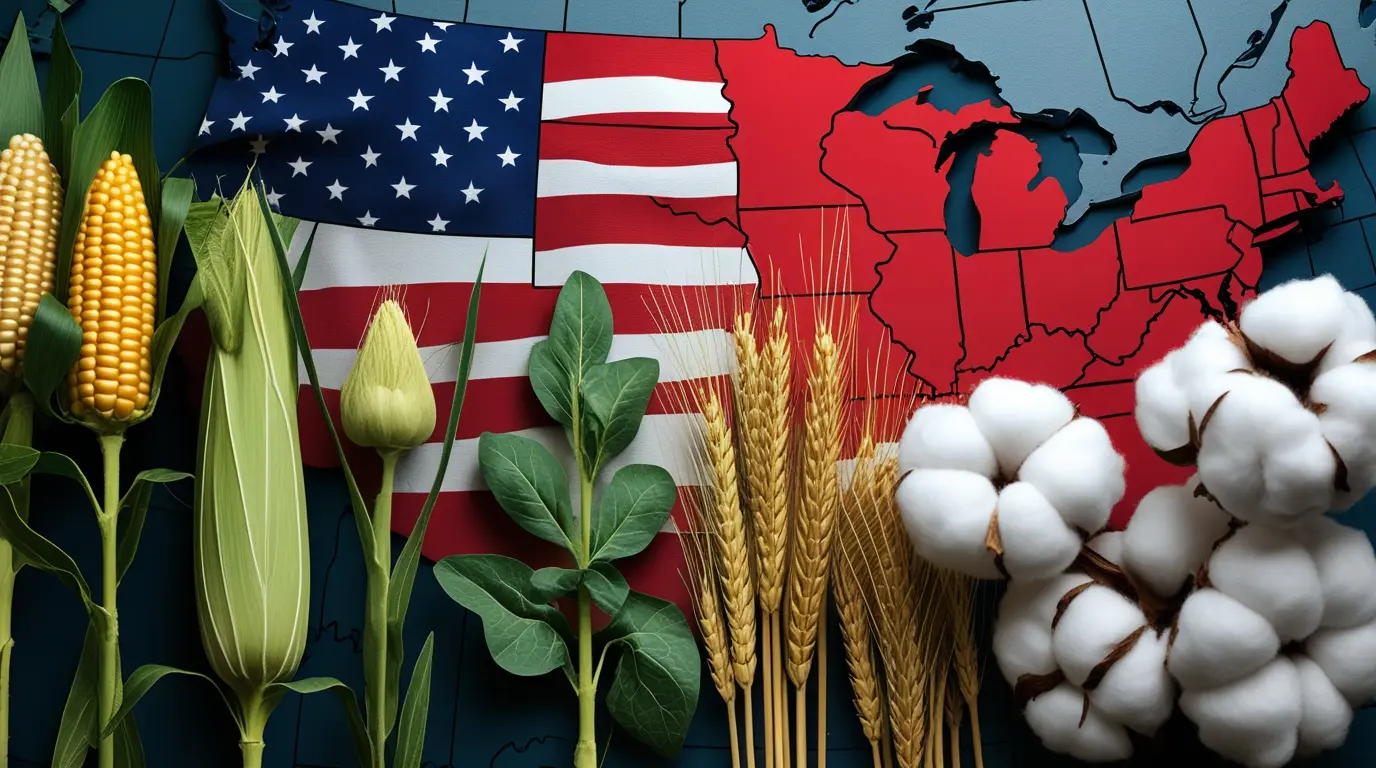
Major Row Crops:
- Corn (Midwest)
- Soybeans (Iowa, Illinois, Indiana)
- Wheat (Kansas, North Dakota)
- Cotton (Texas, Mississippi)
Specialty Crops:
- Fruits (California, Washington, Florida)
- Vegetables (California, Arizona)
- Nuts (Almonds, walnuts in California)
Each crop depends heavily on:
- Soil type
- Rainfall or irrigation
- Market demand
- Crop insurance availability
External reference: Wikipedia – Agriculture in the United States https://en.wikipedia.org/wiki/Agriculture_in_the_United_States
2. Livestock Farming in the USA
Livestock farming is another major pillar of American agriculture.
Common Livestock Operations:
- Beef cattle (Texas, Nebraska)
- Dairy farms (Wisconsin, California)
- Poultry (Georgia, Arkansas)
- Pork (Iowa, North Carolina)
Modern livestock farming focuses on:
- Animal health monitoring
- Feed efficiency
- Biosecurity
- Regulatory compliance
Contrary to popular belief, many livestock farms are small to mid-sized family operations.
Small Farms vs Large Farms: What’s the Difference?
| Factor | Small Farm | Large Commercial Farm |
|---|---|---|
| Size | Under 50 acres | 1,000+ acres |
| Investment | Low to moderate | Very high |
| Labor | Family-based | Hired workforce |
| Profit model | Direct sales, niche | Commodity markets |
| Risk | Lower scale | High exposure |
Small farms often succeed through:
- Farmers markets
- Organic produce
- CSA (Community Supported Agriculture)
- Direct-to-consumer meat sales
Small farmers often look for the best tractor for small farm in USA to reduce costs.
Technology in Modern American Farming
Technology has changed farming in the USA more than any other factor in the last 30 years.
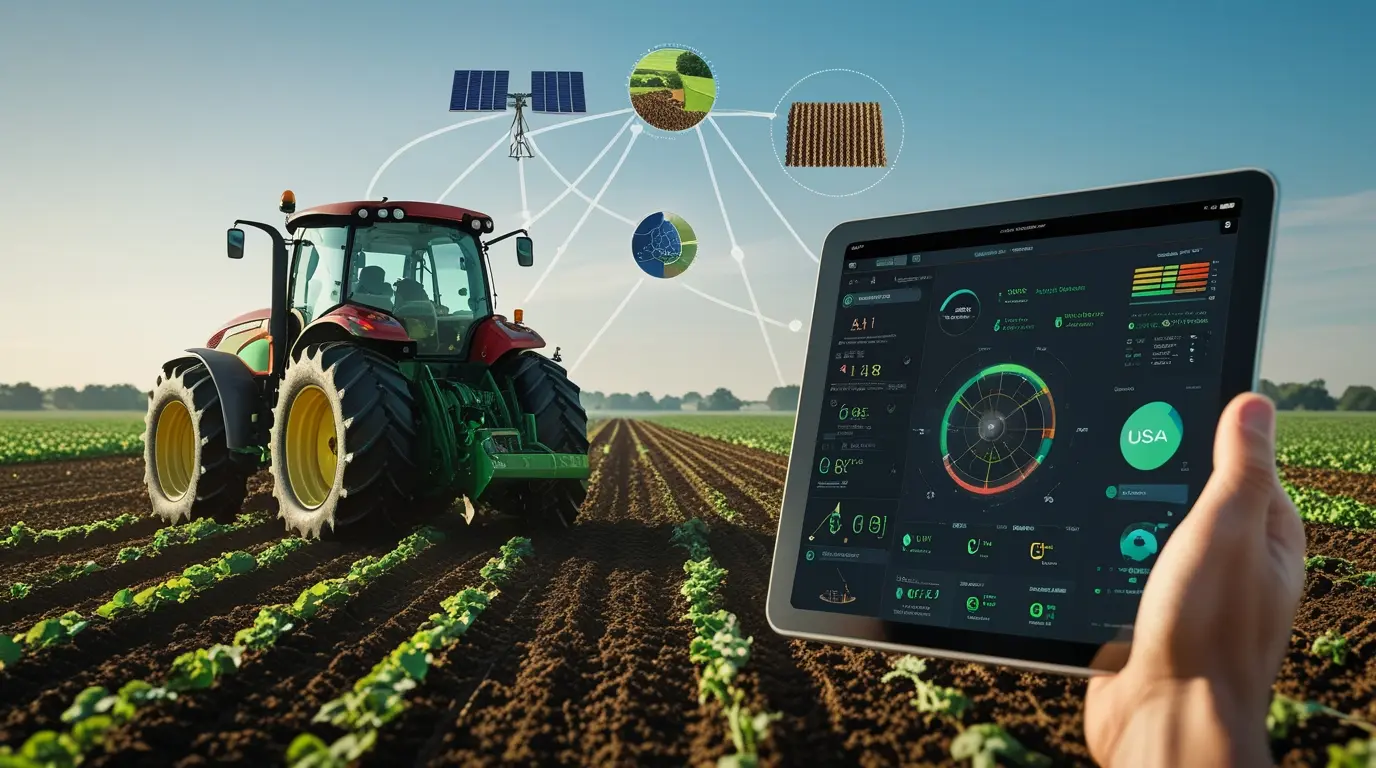
Precision Agriculture
Farmers now use:
- GPS-guided tractors
- Soil sensors
- Yield monitoring systems
- Satellite imagery
This reduces:
- Input costs
- Water waste
- Fertilizer runoff
Smart Equipment
Modern tractors can cost $150,000–$500,000, but they:
- Reduce labor dependency
- Improve accuracy
- Increase productivity
External reference: John Deere official technology resources
Costs of Farming in the USA (Reality Check)
Farming is capital-intensive. Many beginners underestimate costs.
Common Expenses
- Land lease or purchase
- Seeds and feed
- Fertilizer and chemicals
- Equipment and maintenance
- Labor
- Fuel
- Insurance
Average Startup Costs (Small Scale)
- Vegetable farm: $20,000–$50,000
- Livestock startup: $30,000–$100,000
- Equipment-only investment: $10,000+
Profit margins vary widely and depend on management skill, weather, and market timing.
Government Support & Subsidies for U.S. Farmers
The U.S. government plays a major role in farming stability.
Key USDA Programs
- Crop insurance
- Conservation programs
- Beginning farmer loans
- Disaster relief programs
Official resource: USDA.gov (External link – USDA official site)
These programs:
- Reduce financial risk
- Encourage sustainable practices
- Help new farmers enter the industry
Understanding these programs is often the difference between survival and failure.
Sustainability & Climate Challenges in U.S. Farming
Climate change is no longer a theory for American farmers—it’s reality.
Major Challenges
- Droughts in the West
- Flooding in the Midwest
- Heat stress on livestock
- Soil degradation
Sustainable Practices Gaining Popularity
- Cover cropping
- No-till farming
- Crop rotation
- Water-efficient irrigation
These practices protect long-term productivity while meeting environmental standards.
Is Farming in the USA Profitable?
The honest answer: It depends.
Profitable When:
- Costs are controlled
- Technology is used wisely
- Markets are diversified
- Government programs are understood
Risky When:
- Debt is too high
- Single-crop dependency exists
- Weather risk isn’t insured
- No direct market access
Many successful farmers treat farming as both a business and a lifestyle.
Also read “Is Greenhouse Farming Profit in USA, or is it just another expensive farming trend?”
Farming as a Career in the USA
You don’t need to be born on a farm to succeed today.
Entry Paths:
- Leasing land
- Working as a farmhand
- Agricultural education programs
- Partnering with existing farmers
Many universities and extension services provide free or low-cost training land-grant universities – .edu agricultural extension programs
FAQs About Farming in the USA
Is farming in the USA still dominated by big corporations?
No. Despite media portrayal, most U.S. farms are family-owned. While corporations exist in processing and distribution, production farming remains largely independent.
How hard is it to start farming in the USA today?
It’s challenging but possible. High land costs and regulations are barriers, but leasing land, niche farming, and USDA beginner programs make entry achievable with planning.
Which farming type is best for beginners?
Vegetable farming, poultry, and niche livestock operations are often easier for beginners due to lower startup costs and faster cash flow.
Do U.S. farmers really depend on subsidies?
Subsidies are safety nets, not income guarantees. Most farmers rely on market income, but government programs protect against uncontrollable risks like droughts or floods.
Is organic farming better in the USA?
Organic farming can be profitable but requires strict certification, higher labor, and careful market access. It’s not automatically better—just different.
Final Thoughts: What Farming in the USA Really Teaches Us
Farming in the USA is not just about producing food—it’s about resilience, innovation, and responsibility. Behind every meal is a farmer making dozens of decisions daily under pressure most people never see.
Whether you’re considering farming, investing, or simply wanting to understand American agriculture better, the key takeaway is this:
Modern U.S. farming rewards knowledge, adaptability, and long-term thinking—not shortcuts.
If you approach it with respect for the land, smart planning, and a willingness to learn, farming in the USA remains one of the most meaningful and impactful professions available today.
Author Bio
Written by Janardan Tharkar – SEO content researcher with practical experience in blogging, digital publishing, and content optimization.

Written by Janardan Tharkar – an agriculture content researcher and blogging professional with practical experience in farming education, digital publishing, and SEO content optimization. Janardan focuses on modern U.S. agriculture trends, smart farming technologies, irrigation systems, crop development, organic farming practices, and farmer-support programs to create helpful, practical, and trustworthy content for American readers.