
Federal agriculture budgeting in the United States is designed to be predictable, slow-moving, and insulated from short-term political shocks. In practice, that insulation has eroded. As Congress approaches negotiations over fiscal year 2026 appropriations, the agriculture budget is increasingly exposed to the same funding disruptions that have repeatedly affected other parts of government over the last decade. The risk of a government shutdown is no longer theoretical background noise. It has become a recurring variable that both federal agencies and agricultural markets now factor into planning.
For agriculture, the consequences of a shutdown extend beyond closed offices and furloughed staff. Budget delays intersect with planting decisions, credit cycles, insurance pricing, and regional production risks. When appropriations stall, the timing of data releases, program authorizations, and administrative actions shifts—sometimes by weeks, sometimes by months. In an industry where margins are narrow and decisions are made months in advance, those delays matter.
The 2026 agriculture budget is especially vulnerable because it arrives at a moment of structural adjustment. Input costs remain elevated compared to pre-2020 norms, farm debt servicing costs have risen with interest rates, and climate-related losses are occurring with greater frequency across multiple regions. A shutdown during the budget formation window would not simply postpone funding; it could reshape priorities, constrain policy flexibility, and reinforce longer-term consolidation trends already underway in US agriculture.
How shutdowns disrupt agriculture budgeting mechanics
When the federal government shuts down, discretionary spending halts unless explicitly exempted. While some farm programs operate under mandatory funding, the administrative machinery that designs, updates, and oversees those programs largely stops. According to contingency planning documents published by the United States Department of Agriculture, thousands of USDA employees are furloughed during funding lapses, including staff responsible for budget analysis, program evaluation, and interagency coordination, as outlined in official USDA contingency planning guidance.
This distinction is critical. Mandatory programs such as crop insurance indemnities or nutrition assistance may continue to function, but the development of the next fiscal year’s budget does not. Budget justifications, baseline updates, and policy revisions are all delayed. Once funding resumes, agencies are forced to compress work into shorter timeframes, often relying on older assumptions or provisional estimates.
For fiscal year 2026, this compression would occur precisely when agencies typically incorporate updated production forecasts, market outlooks, and cost-of-production data into their budget submissions. The result is a budget built on partial information, increasing the likelihood of misalignment between appropriations and on-the-ground agricultural conditions.
What is emerging is not a sudden crisis, but a slow exposure of risk. In that context, “farm aid missing” has become less a slogan and more a description of the moment confronting US agriculture in 2026.
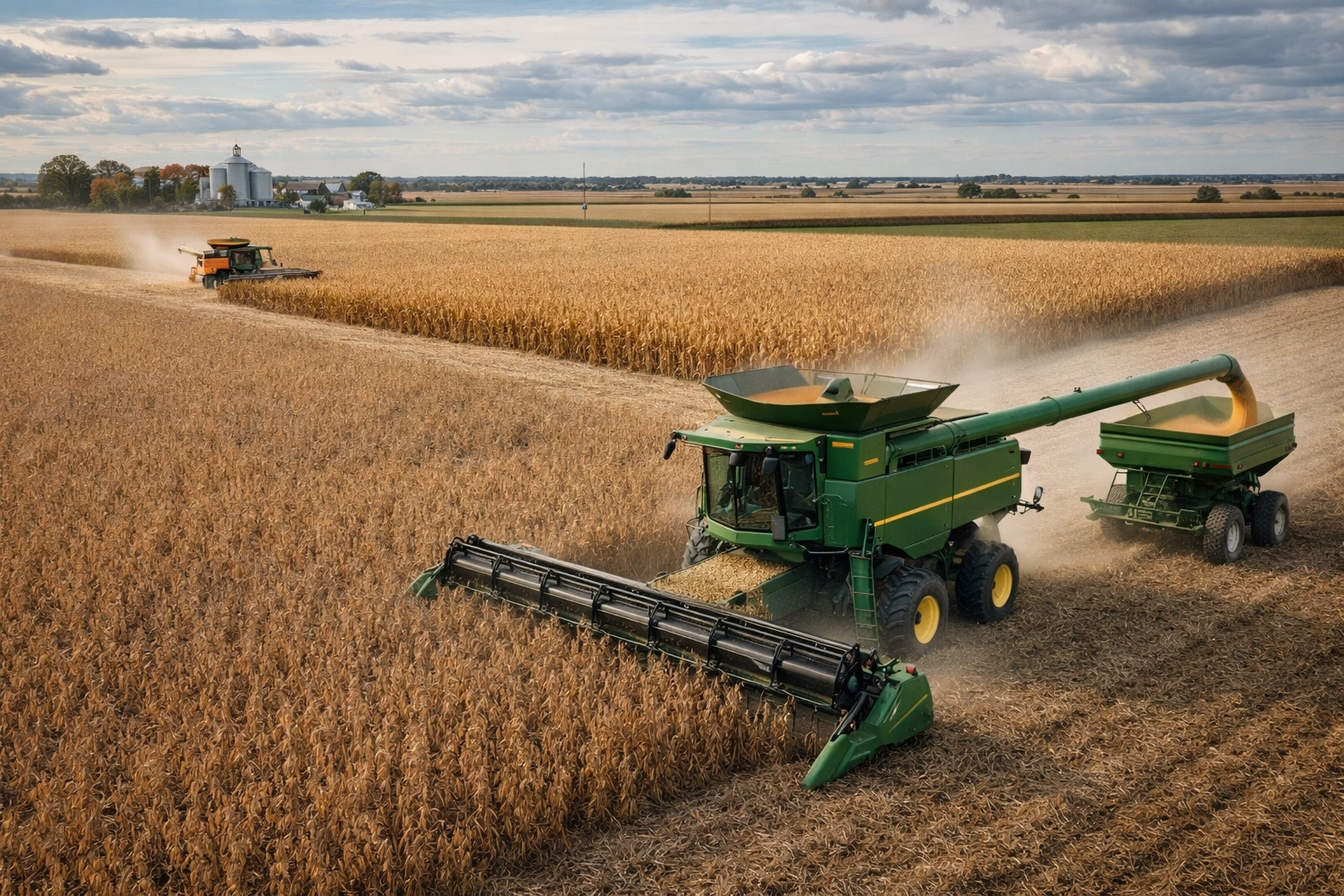
Data disruption and its downstream effects
The central role of federal statistics
US agriculture policy relies heavily on federal data. Acreage surveys, yield estimates, farm income projections, and price outlooks all feed into budget scoring models used by both the executive branch and Congress. During shutdowns, many of these data streams pause.
The National Agricultural Statistics Service has previously suspended or delayed survey operations and report releases during lapses in appropriations, creating gaps in the information available to markets and policymakers. NASS has documented these disruptions and their implications for data continuity on its official site
When reports are delayed, market participants turn to private estimates, which vary in methodology and transparency. Policymakers, meanwhile, face pressure to make funding decisions without a common statistical baseline. For the 2026 budget, missing or delayed data could affect projections for commodity program outlays, crop insurance premium subsidies, and disaster assistance allocations.
Budget baselines and scoring challenges
Congressional budget scoring depends on baselines that estimate how much existing programs will cost under current law. These baselines are sensitive to assumptions about production levels, prices, and participation rates. A shutdown that delays updates increases uncertainty around those assumptions.
Analysts note that under conditions of uncertainty, budget offices tend to adopt conservative estimates. That conservatism can work against program expansion or reform, favoring extensions of existing structures rather than adjustments to reflect new risks. Over time, this dynamic can slow the evolution of agricultural policy, even as production and climate realities change.
Regional exposure: uneven impacts across US agriculture
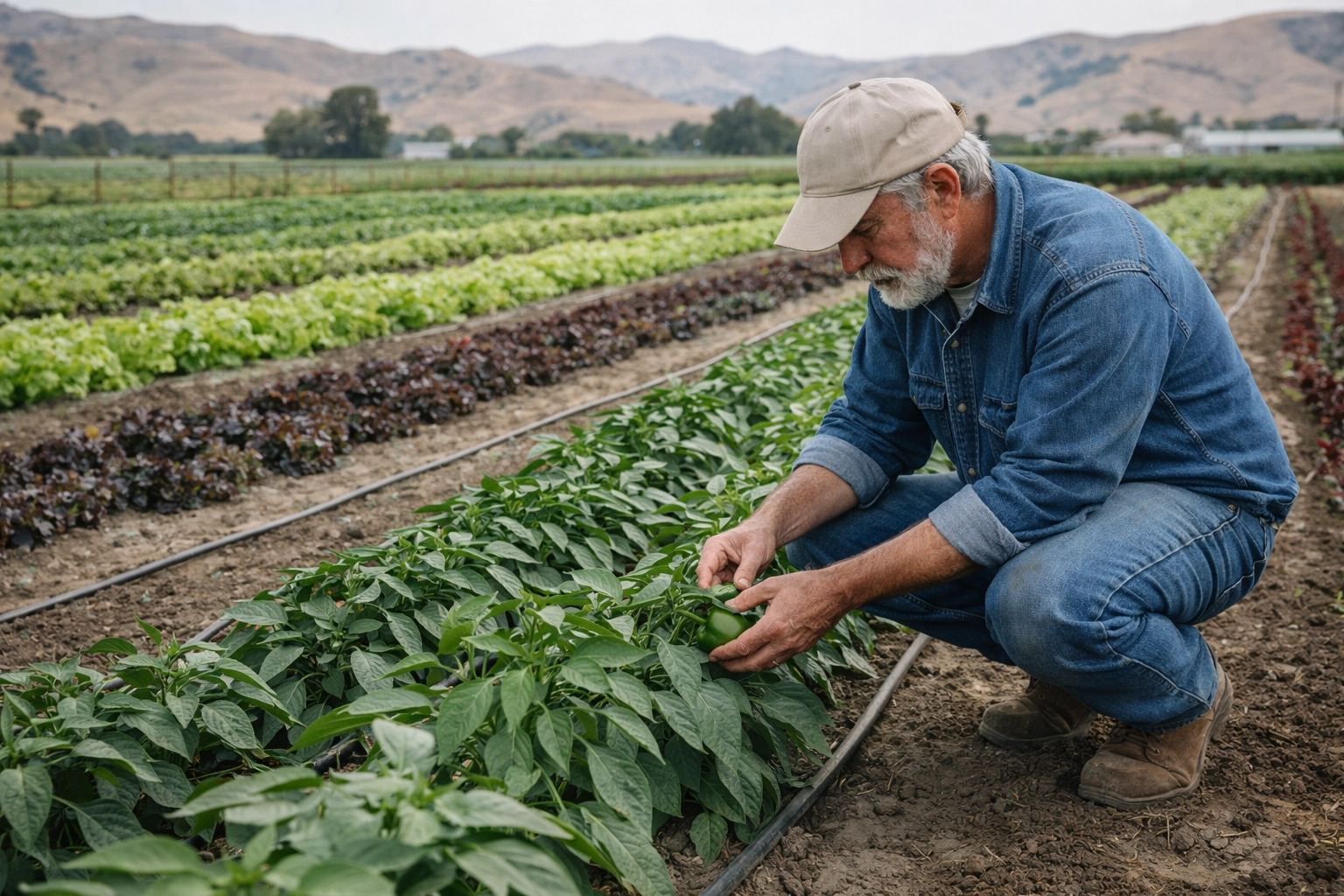
Midwest row crop systems
In the Corn Belt, where corn and soybean production dominates farm income, federal data and policy signals play an outsized role. Price loss coverage, agricultural risk coverage, and crop insurance programs are closely tied to acreage and yield estimates.
Producers in Iowa, Illinois, Indiana, and Minnesota make planting and marketing decisions months in advance, often using USDA forecasts as reference points. When those forecasts are delayed, uncertainty increases. Budget planners face a similar problem: without updated acreage and yield data, projecting program costs becomes more speculative.
This matters for the 2026 budget because Midwest row crop systems account for a significant share of federal farm spending. Small percentage errors in yield or price assumptions can translate into billions of dollars in projected outlays.
This is not the first time US agriculture has turned to federal support during a downturn. But the current moment feels different. The post-pandemic surge in farm income has faded. Climate volatility is compounding operational risk. And credit conditions have tightened faster than many producers anticipated.
Western specialty crops
Specialty crop producers in California, Washington, and Arizona interact with the federal budget differently. Their exposure is less about price-linked subsidies and more about discretionary programs supporting research, water management, pest control, and export promotion.
These programs require active administration. Grant applications must be reviewed, contracts modified, and funds obligated. During shutdowns, that administrative pipeline freezes. University extension economists have noted that when obligations are delayed, agencies often face pressure later in the fiscal year to accelerate spending or defer projects, distorting program effectiveness.
For the 2026 budget, repeated administrative disruptions could weaken the case for expanding specialty crop funding, particularly if lawmakers perceive execution challenges as a sign of limited capacity rather than procedural delay.
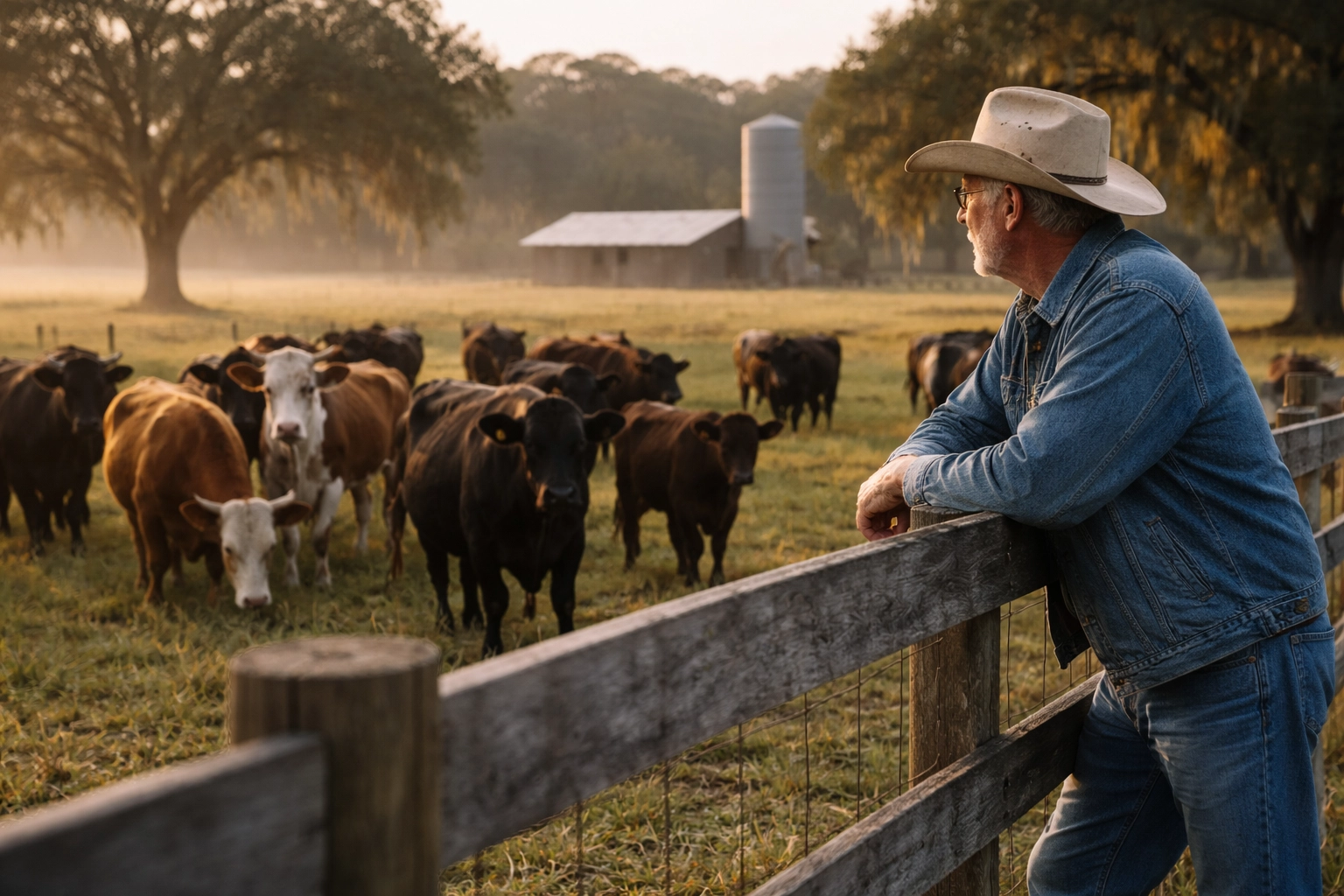
Southern livestock and poultry regions
In the Southeast and Southern Plains, livestock and poultry operations face distinct vulnerabilities. Disaster assistance and insurance programs may remain authorized, but the offices that process claims and loans often close during shutdowns.
This timing can be particularly problematic. Cash-flow needs in livestock systems are continuous, and delays in federal payments push producers toward private credit markets. According to agricultural finance surveys published by the Federal Reserve Bank of Kansas City at periods of policy uncertainty are associated with tighter lending standards and higher borrowing costs.
For budget planners, rising credit stress can increase political pressure to expand farm credit programs. Yet designing those expansions requires analysis and coordination—precisely the activities curtailed during shutdowns.
Institutional constraints inside USDA
Analytical capacity under pressure
The Economic Research Service plays a central role in translating market conditions into policy-relevant analysis. ERS produces farm income forecasts, cost-of-production estimates, and policy evaluations that inform both executive budget proposals and congressional deliberations.
Funding interruptions constrain ERS’s ability to update models and publish reports on schedule. The agency has acknowledged these limitations in program descriptions and operational updates available at ERS’s official site. For the 2026 budget, delayed analysis could narrow the range of policy options considered, reinforcing reliance on existing program structures rather than evidence-based adjustments.
Coordination across agencies
Agriculture budgeting does not occur in isolation. USDA must coordinate with the Office of Management and Budget, congressional committees, and other federal agencies. Shutdowns disrupt these coordination channels, compressing timelines and increasing the likelihood of last-minute decisions.
Institutional observers note that compressed timelines tend to favor politically safer choices. Programs with established constituencies are more likely to be funded, while newer initiatives—particularly those addressing emerging risks such as climate adaptation—face greater scrutiny.
Market confidence and political signaling
Beyond technical delays, shutdown risks affect market psychology. Repeated funding crises signal political dysfunction, undermining confidence in the stability of federal support frameworks. A Bloomberg analysis of recent shutdown threats highlighted how agricultural markets increasingly price in policy uncertainty, affecting investment decisions and long-term planning.
For producers, this uncertainty complicates capital investment decisions. Equipment purchases, land acquisitions, and infrastructure upgrades are all influenced by expectations about future policy support. When those expectations weaken, investment slows, reinforcing consolidation trends as larger operators absorb smaller, more risk-exposed farms.
The latest federal funding package marks a clear departure. Farm aid—anticipated by many producers and closely watched by lenders—was excluded.
Why timing outweighs totals
Public debate around agriculture budgets often focuses on topline numbers. Yet timing can be just as consequential. A delayed budget can arrive with nominally adequate funding but reduced flexibility. Funds obligated late in the fiscal year are harder to deploy strategically, limiting their impact.
Industry observers emphasize that delayed budgets often result in stopgap measures—short-term extensions, temporary fixes, and one-year authorizations. While these measures keep programs running, they discourage long-term planning and innovation. Over time, agriculture policy becomes reactive rather than strategic.
For 2026, this risk is heightened by the convergence of fiscal pressure and structural change. Climate volatility, rising insurance costs, and evolving trade dynamics all demand adaptive policy responses. A shutdown-delayed budget would constrain the system’s ability to respond.

Forward outlook: implications beyond 2026
The consequences of a shutdown affecting the 2026 agriculture budget would not end with that fiscal year. Delayed investments in research and conservation can have multi-year effects on productivity and resilience. Missed opportunities to update insurance frameworks or credit programs can leave producers exposed to emerging risks.
At the same time, repeated reliance on short-term fixes reinforces consolidation. Larger operations, better able to manage uncertainty, gain relative advantage. Smaller and mid-sized farms face greater volatility, accelerating structural change across US agriculture.
The trajectory is not inevitable. Past shutdowns have shown that agencies can recover operationally. The question is whether recovery comes with renewed strategic ambition or simply restores the status quo. The answer will shape not only the 2026 budget, but the longer-term role of federal policy in American agriculture.

Written by Janardan Tharkar – an agriculture content researcher and blogging professional with practical experience in farming education, digital publishing, and SEO content optimization. Janardan focuses on modern U.S. agriculture trends, smart farming technologies, irrigation systems, crop development, organic farming practices, and farmer-support programs to create helpful, practical, and trustworthy content for American readers.