
The federal safety net has long been an accepted feature of American agriculture, expanding during downturns and retreating during profitable cycles. Over the past decade, that pattern has held with relative consistency, punctuated by extraordinary support during trade disruptions and the pandemic. As 2026 approaches, however, the familiar rhythm appears unsettled.
Farm income has cooled from its recent highs, climate volatility has intensified, and borrowing costs have climbed to levels not seen since before the global financial crisis. Yet the expectation of additional or supplemental farm aid—once common during periods of stress—is notably absent from current policy signals.
Industry observers note that this disconnect between farm-level pressure and federal response is becoming increasingly visible in producer balance sheets. What is emerging is not a sudden crisis, but a slow exposure of risk. In that context, “farm aid missing” has become less a slogan and more a description of the moment confronting US agriculture in 2026.
From Stabilization to Exposure
For much of the past twenty years, federal programs have functioned as shock absorbers. When commodity prices fell, payments increased. When droughts or floods struck, disaster relief followed. When trade disputes disrupted exports, emergency aid filled the gap.
The present environment is different. Commodity markets have normalized after an unusual surge. Input costs have not. Weather losses are recurring rather than isolated. At the same time, budget discipline has returned to the center of federal policymaking.
Recent reports from the USDA’s Economic Research Service indicate that real net farm income has declined sharply from its 2022 peak and is projected to remain under pressure through 2026. Unlike earlier downturns, this adjustment is unfolding without a clear legislative response aimed at income stabilization.
Market participants indicate that producers are increasingly being asked to absorb risk internally—through higher leverage, delayed investment, or operational scaling—rather than relying on expanded federal backstops.
This is not the first time US agriculture has turned to federal support during a downturn. But the current moment feels different. The post-pandemic surge in farm income has faded.
Cost Pressures That Refuse to Ease
A central feature of the 2026 outlook is cost persistence.
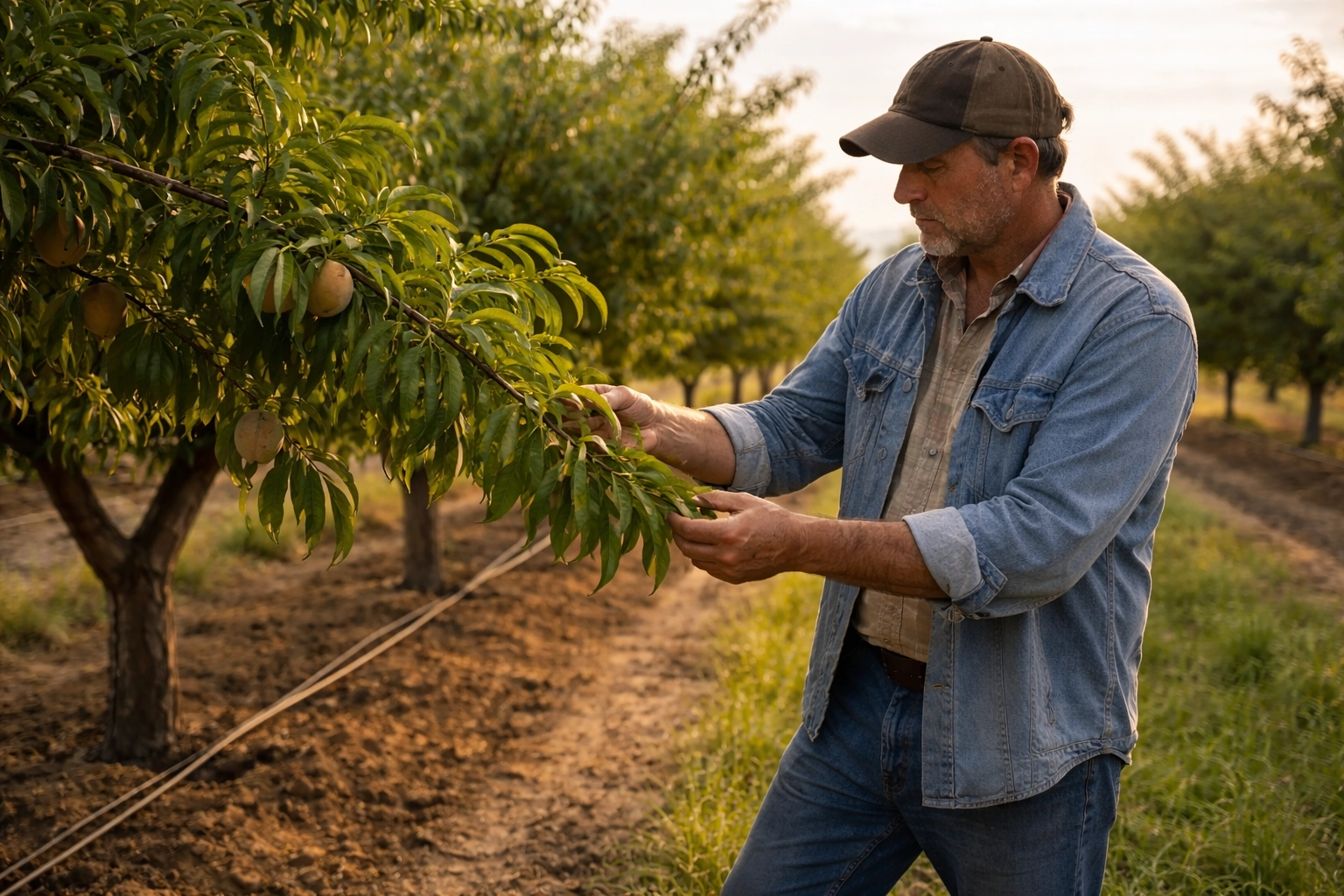
Fertilizer markets have cooled from the extreme volatility of 2022, but prices remain elevated compared with pre-pandemic norms. Diesel fuel continues to fluctuate with global energy markets. Machinery costs reflect ongoing manufacturing inflation and supply chain adjustments. Labor expenses, particularly in specialty crop regions, have risen steadily and show little sign of reversal.
According to USDA data, total production expenses across US agriculture are materially higher than they were five years ago, even as commodity prices have retreated. For many producers, especially those without scale advantages, this means operating margins are thinner now than during previous low-price cycles.
Early indicators show that farms are responding by reducing discretionary spending. Fertilizer application rates are being fine-tuned. Equipment upgrades are postponed. Maintenance cycles are stretched. These measures preserve cash in the short term but increase vulnerability over time.
Snapshot: Selected National Indicators
| Indicator | 2019 | 2023 | 2025 | Early 2026 Trend |
|---|---|---|---|---|
| Real net farm income | Baseline | +30% | –15% | Flat to down |
| Average farm loan interest rate | ~4% | ~7% | ~8% | Elevated |
| Fertilizer price index | 100 | 165 | 145 | High |
| Diesel fuel (farm use) | ~$2.90/gal | ~$4.60 | ~$3.80 | Volatile |
Source: USDA ERS, Federal Reserve agricultural credit reports, industry estimates.
While none of these metrics individually suggest collapse, together they point to a system operating with less margin for error—at a time when traditional stabilizers are less visible.
Regional Signals from the Field
Midwest Row Crops: Stability Without Cushion
In Iowa, Illinois, and Indiana, planting intentions remain relatively stable heading into the 2026 season. Corn and soybean acreage has not seen dramatic contraction, suggesting confidence in long-term demand.
Yet conversations with regional lenders and extension economists reveal a more nuanced picture. Working capital reserves have thinned after consecutive years of lower margins. Cash rents have proven sticky, declining far more slowly than crop prices. Equipment financing costs have risen sharply.
Data from the National Agricultural Statistics Service show that yields remain strong, but yield strength alone no longer guarantees financial comfort. Smaller and mid-sized operations, in particular, are increasingly reliant on operating loans to bridge seasonal gaps.
Industry analysts note that in past cycles, supplemental aid often arrived before these pressures accumulated. In 2026, that expectation is less certain.
For many Americans, federal budget headlines feel distant. But for growers waiting on operating loans, families relying on nutrition programs, and small towns counting on rural development grants, these decisions land close to home.
California Specialty Crops: High Value, High Exposure
California’s specialty crop sector presents a different set of vulnerabilities. Tree nuts, fruits, and vegetables generate high per-acre revenue, but also carry high fixed costs.
Water availability remains the dominant constraint. Groundwater regulations have reduced irrigated acreage in several regions, forcing growers to make difficult choices about crop mix and land use. Labor costs continue to rise, driven by competition and regulatory requirements.
Smaller operations face disproportionate exposure. Investments in water-efficient irrigation, automation, and compliance infrastructure require capital that many family-run farms cannot easily access. While some support exists through conservation and climate programs, these initiatives are competitive and often slow-moving.
Recent NASS acreage reports suggest gradual contraction in certain specialty crops, with exits concentrated among smaller producers. Market participants indicate that without additional support, this trend may accelerate.
Southeast Livestock: Weather and Feed Volatility
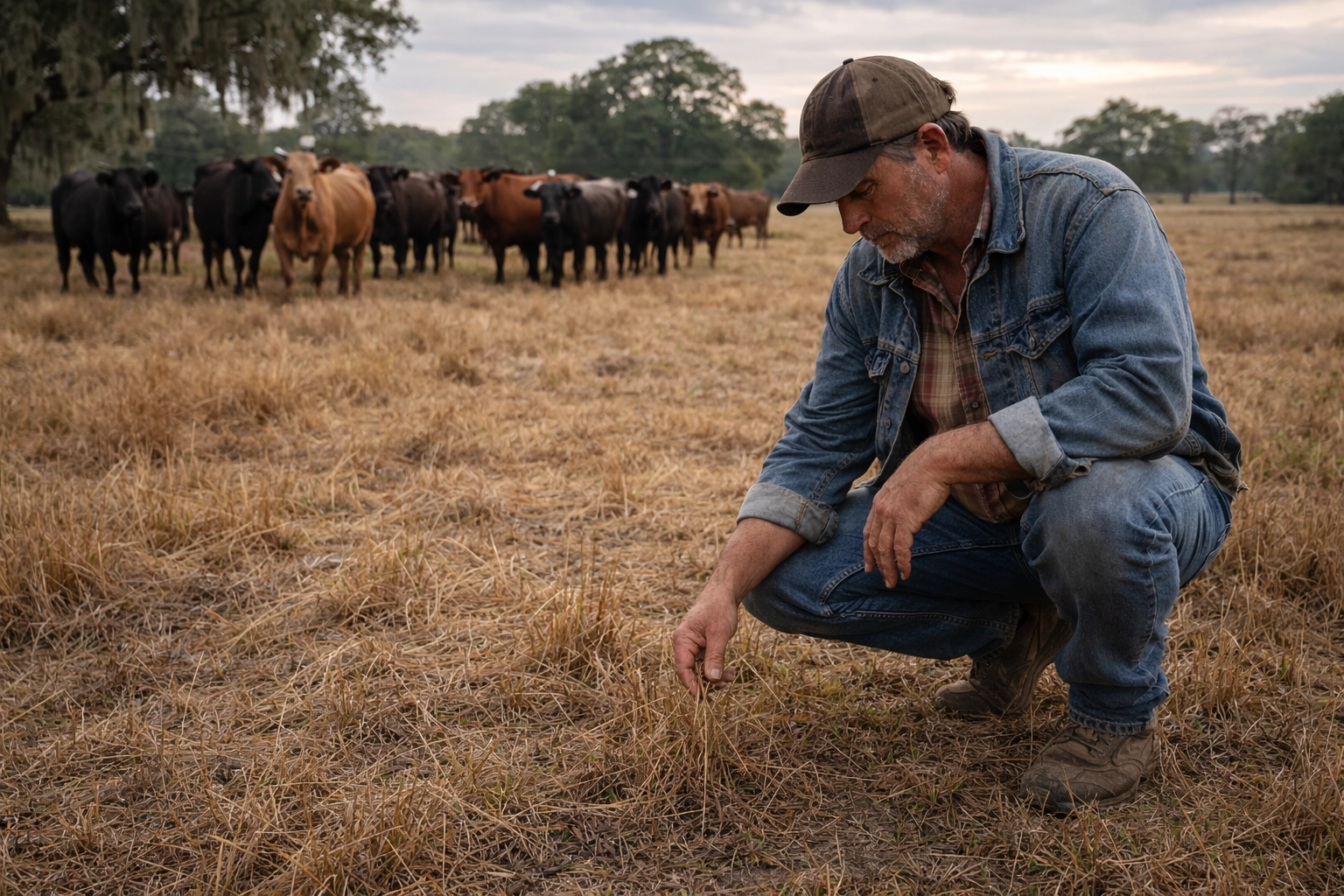
In the Southeast, livestock producers are contending with uneven pasture conditions and volatile feed costs. States such as Georgia and Alabama have experienced irregular rainfall patterns that complicate grazing management.
For cattle operations, reliance on purchased feed has increased, raising exposure to grain price swings. Poultry producers, many operating under contract, face limited ability to pass higher costs through the supply chain.
Regional extension services report that herd expansion plans have been delayed or abandoned by smaller operators. In previous years, disaster assistance or ad hoc relief helped stabilize these systems. In 2026, such interventions are not guaranteed.
Why This Matters
The absence of expanded farm aid in 2026 is significant not because of any single indicator, but because of how multiple pressures intersect.
First, income volatility has increased. Price cycles are now layered with climate risk and geopolitical uncertainty. Second, cost structures have shifted upward, reducing the effectiveness of traditional cost-cutting responses. Third, access to capital has tightened, limiting farms’ ability to self-insure through borrowing.
Industry observers note that this combination alters the risk profile of farming itself. Operations that were once considered resilient are now operating closer to financial thresholds. Smaller and mid-sized farms, lacking diversification or external capital, feel this most acutely.
From a structural standpoint, missing aid does not simply mean lower income—it changes behavior. Producers delay investment, reduce conservation spending, and scale back innovation. Over time, this can erode productivity and environmental outcomes.
At a broader level, rural economies feel the impact. Equipment dealers, input suppliers, and service providers depend on farm cash flow. When farmers retrench, those effects ripple outward.
Over the past several budget cycles, one issue keeps resurfacing: Democrats opposing Department of Homeland Security (DHS) funding bills — and how that political standoff can ripple across other agencies, including the U.S. Department of Agriculture (USDA).
The Policy Gap Comes into Focus
Federal agricultural policy in the United States rests on a combination of permanent law and periodic adjustments. Crop insurance, conservation programs, and credit support form the core. Supplemental aid has historically filled gaps during extraordinary stress.
In 2026, the gap is visible.
The Farm Service Agency continues to administer operating and ownership loans, but demand has risen sharply as commercial lenders tighten standards. Processing capacity has not expanded at the same pace, leading to delays in some regions.
Crop insurance remains widely used, yet it is designed to protect against yield or revenue losses within defined parameters. It does not address sustained cost inflation or multi-year margin compression. Disaster relief programs exist, but they are reactive and event-specific.
Meanwhile, the USDA faces budget constraints that limit its ability to expand discretionary programs. Conservation and climate initiatives are oversubscribed. Rural development funding competes with infrastructure and housing priorities.
Policy analysts point out that none of these programs were designed to address a prolonged period of moderate stress across multiple dimensions. The result is a safety net that functions, but imperfectly.
Credit Markets Feel the Strain
Perhaps the clearest signal of missing aid appears in agricultural credit markets.
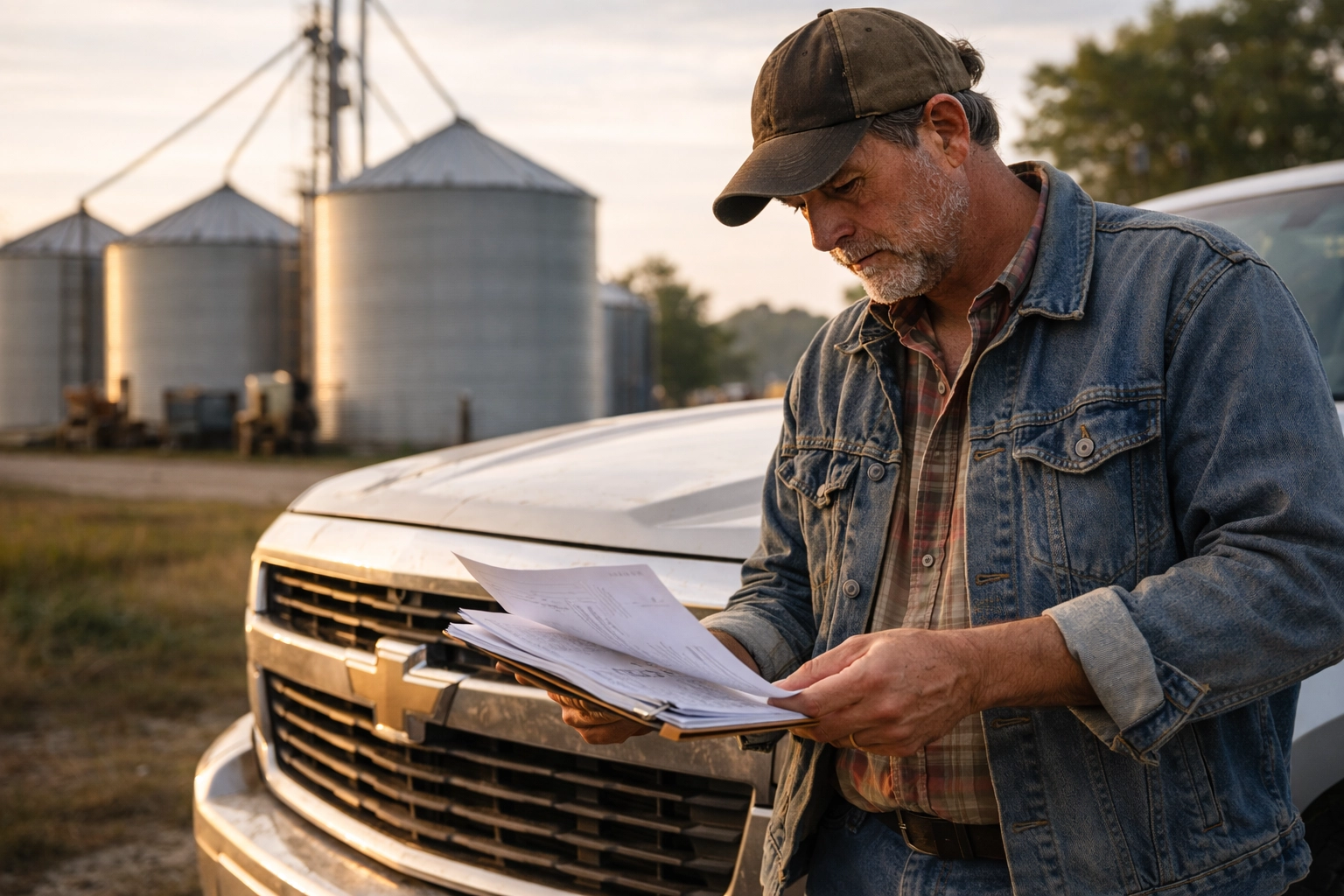
According to Federal Reserve district reports, loan repayment rates remain generally sound, but stress indicators are rising among smaller borrowers. Working capital ratios have declined. Loan renewals increasingly involve restructuring rather than expansion.
Higher interest rates magnify these pressures. For farms operating on thin margins, interest expense now represents a larger share of total costs. This reduces flexibility and increases sensitivity to even minor revenue shortfalls.
Lenders note that in previous downturns, expectations of supplemental aid reduced risk. In 2026, uncertainty around policy response is influencing credit decisions. Some lenders are becoming more conservative, which further constrains farm liquidity.
This dynamic creates a feedback loop: tighter credit increases farm stress, which in turn raises lender caution.
One of the biggest concerns right now is how a potential shutdown could delay or disrupt the 2026 US farm budget—the funding that supports crop insurance, farm loans, conservation programs, disaster assistance, rural development, and agricultural research.
Demographics and Transition Challenges
The issue of missing aid also intersects with demographics.
The average US farmer is nearing retirement age. Succession planning remains uneven, particularly among smaller operations where returns are uncertain. Younger farmers face high barriers to entry, including land prices and capital requirements.
In the absence of targeted support, farms nearing transition are more likely to sell to larger neighbors or non-operating investors. This accelerates consolidation and alters land tenure patterns.
Labor shortages add another layer. Specialty crop growers report persistent difficulty recruiting workers, even as wages rise. Small farms struggle to compete with larger employers offering more stability.
Analysts suggest that missing aid in 2026 may not immediately reduce production, but it could quietly reshape who farms—and how—over the next decade.
Climate Risk Without a Buffer
Climate variability has become a defining feature of US agriculture.
Droughts in the West, floods in the Midwest, hurricanes in the Southeast, and wildfires in the Pacific states now occur with increasing frequency. Each event may be manageable on its own. Together, they strain existing safety nets.
ERS research shows that climate-related losses are becoming more correlated across regions, reducing the effectiveness of diversification at both farm and national levels. Insurance programs absorb some losses, but long-term adaptation requires capital investment.
Without supplemental aid or expanded cost-sharing, many farms delay these investments. Irrigation upgrades, soil health improvements, and diversified rotations are often postponed in favor of short-term survival.
This raises a policy paradox: the absence of aid today may increase the need for larger interventions tomorrow.
Small farms are not disappearing because farmers lack skill or effort. They are struggling because the economic system has become tougher, faster, and more capital-intensive than ever before.
What 2026 Could Set in Motion
Looking ahead, the implications of missing farm aid in 2026 extend beyond a single season.
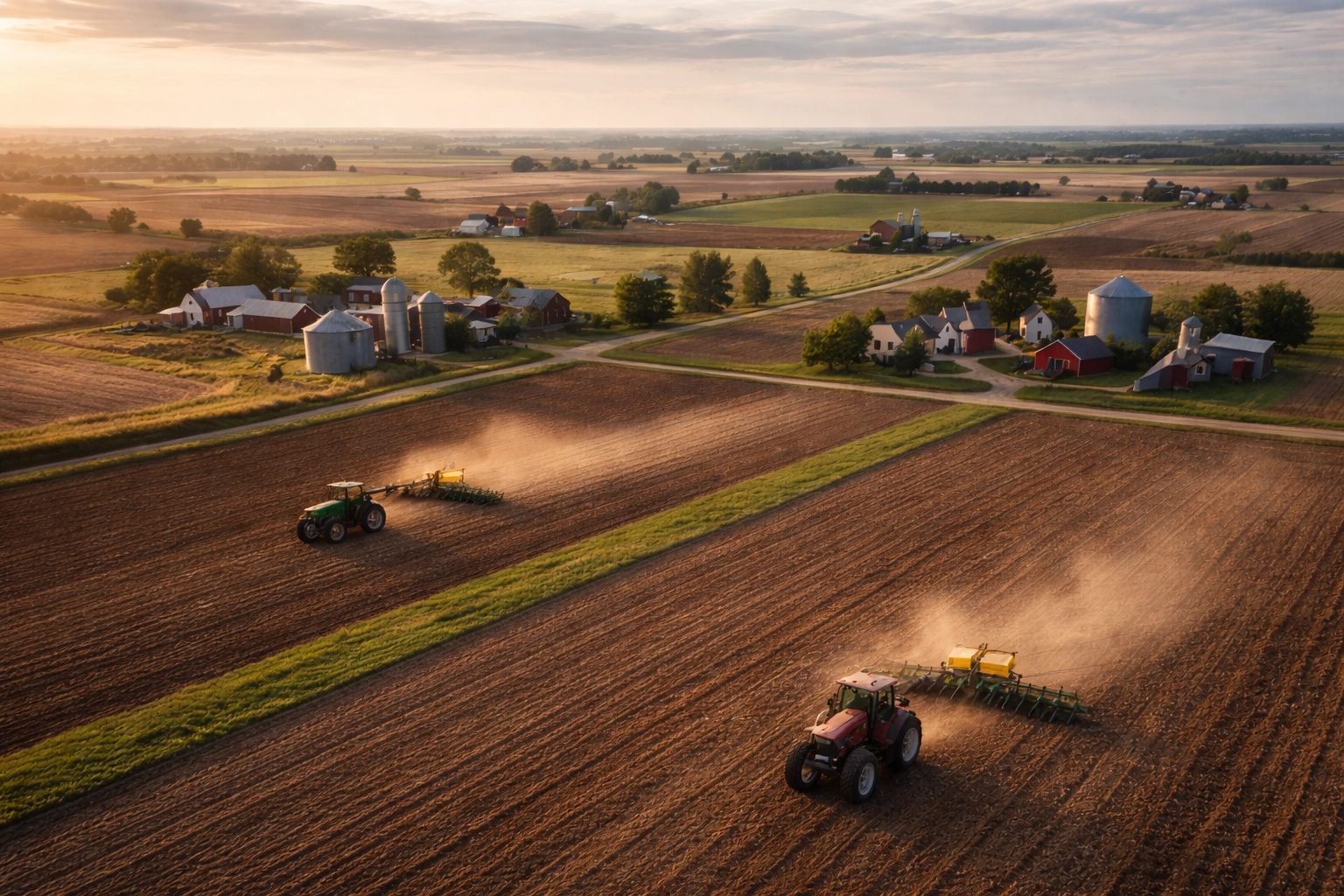
Consolidation is likely to continue, driven by financial pressure and demographic change. Larger operations, with better access to capital and technology, will adapt more quickly. Smaller farms may exit or be absorbed.
Technology adoption will proceed unevenly. Precision agriculture, automation, and data analytics require upfront investment. Without support, participation will skew toward well-capitalized producers.
Risk management strategies will evolve, but not uniformly. Some farms will increase insurance coverage or diversify enterprises. Others will operate with higher exposure, accepting greater volatility.
Policy evolution remains uncertain. Discussions around future farm bills and budget priorities continue, but the timing and scale of any response are unclear.
Market participants indicate that 2026 may be remembered less for a crisis than for a turning point—a year when the limits of existing support structures became evident.
Closing Perspective
Farm aid has never eliminated risk from US agriculture. Its role has been to buffer extremes and preserve stability during transition. In 2026, that buffer appears thinner.
The pressures facing farmers today are cumulative: normalized prices layered over elevated costs, climate volatility layered over tighter credit. The absence of expanded aid does not immediately signal failure, but it exposes vulnerabilities that have been building quietly.
How policymakers interpret this moment will shape not only farm incomes, but the structure and resilience of American agriculture in the years ahead.

Written by Janardan Tharkar – an agriculture content researcher and blogging professional with practical experience in farming education, digital publishing, and SEO content optimization. Janardan focuses on modern U.S. agriculture trends, smart farming technologies, irrigation systems, crop development, organic farming practices, and farmer-support programs to create helpful, practical, and trustworthy content for American readers.