
For decades, US agricultural policy has followed a familiar rhythm. Periods of market stress or weather disruption were typically followed by targeted federal support, sometimes embedded in omnibus spending bills, sometimes delivered through emergency or supplemental packages. That rhythm held through trade disputes, pandemic-era shocks, and successive climate disasters.
The latest federal funding package marks a clear departure. Farm aid—anticipated by many producers and closely watched by lenders—was excluded. The decision arrived quietly, without dramatic floor debates or last-minute negotiations over payment formulas. Yet across farm country, its absence is already being felt.
Industry observers note that this is not merely a budgetary footnote. It signals a shift in how agricultural risk may be treated in the coming years, placing new pressure on the US Department of Agriculture at a moment when farm economics are growing more fragile.
From Extraordinary Support to a Narrower Federal Role
The scale of federal involvement in agriculture expanded significantly over the past decade. Trade mitigation payments beginning in 2018, followed by multiple rounds of pandemic relief, normalized the idea that extraordinary events would be met with extraordinary funding.
Those programs did not eliminate risk, but they softened volatility and preserved liquidity. Farmers adjusted planting decisions, lenders extended credit, and rural businesses maintained activity with the assumption that Washington would step in during severe stress.
By late 2024, that assumption began to weaken. Inflation concerns, deficit politics, and competing federal priorities reshaped budget negotiations. Agriculture retained its core programs, but the willingness to add supplemental aid diminished.
The most recent funding package crystallized that change. Despite mounting evidence of margin pressure across multiple farm sectors, no new broad-based assistance was included. For USDA, the omission effectively narrows its toolbox at a time when demand for support is rising.
This is not the first time US agriculture has turned to federal support during a downturn. But the current moment feels different.
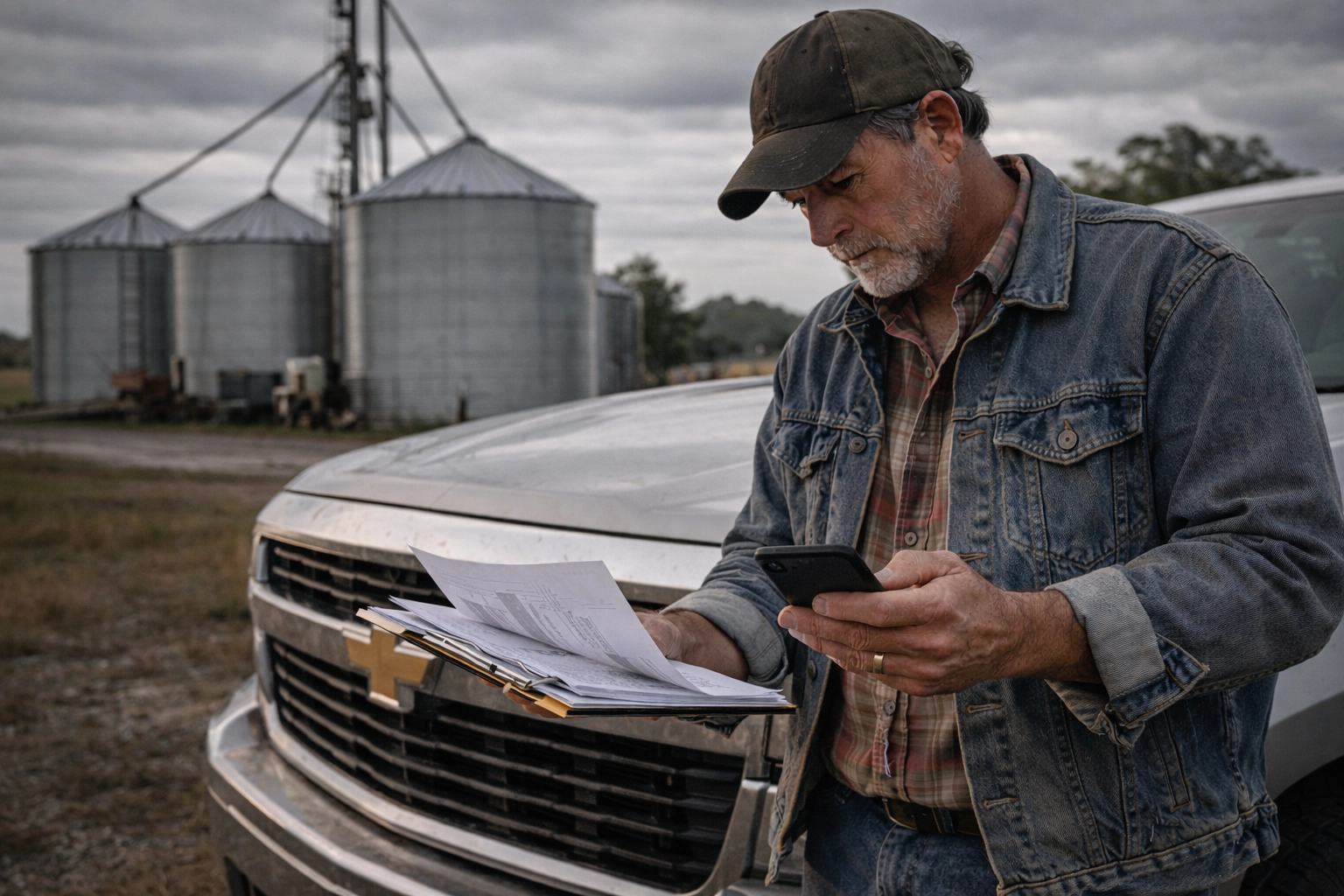
Financial Conditions Tighten as Policy Support Recedes
The funding decision lands in an environment that offers little financial cushion.
According to recent analysis from the Economic Research Service, real net farm income has declined substantially from its 2022 peak and is projected to remain under pressure into 2026. Commodity prices have normalized, while many input costs remain structurally higher than pre-pandemic levels.
Fertilizer prices have moderated from their highs but remain elevated. Diesel fuel continues to fluctuate with global energy markets. Machinery and equipment costs reflect ongoing manufacturing inflation. Labor expenses, especially in specialty crop regions, show little sign of easing.
Early indicators show that working capital across many farms has thinned. This does not point to immediate distress, but it reduces flexibility. In previous cycles, supplemental aid often arrived before liquidity became a constraint. In 2026, that buffer appears absent.
Selected Indicators Illustrating the Shift
| Indicator | Pre-2020 | 2022–23 | 2025 | Early 2026 Signal |
|---|---|---|---|---|
| Real net farm income | Stable | Elevated | Declining | Flat to soft |
| Farm input cost index | 100 | 160+ | ~145 | High |
| Average ag loan rate | ~4% | ~6% | ~8% | Elevated |
| Median working capital | Adequate | Strong | Thinning | Under pressure |
Source: USDA ERS, Federal Reserve agricultural credit reports, industry estimates.
These metrics suggest a sector operating with reduced margin for error, just as policy flexibility narrows.
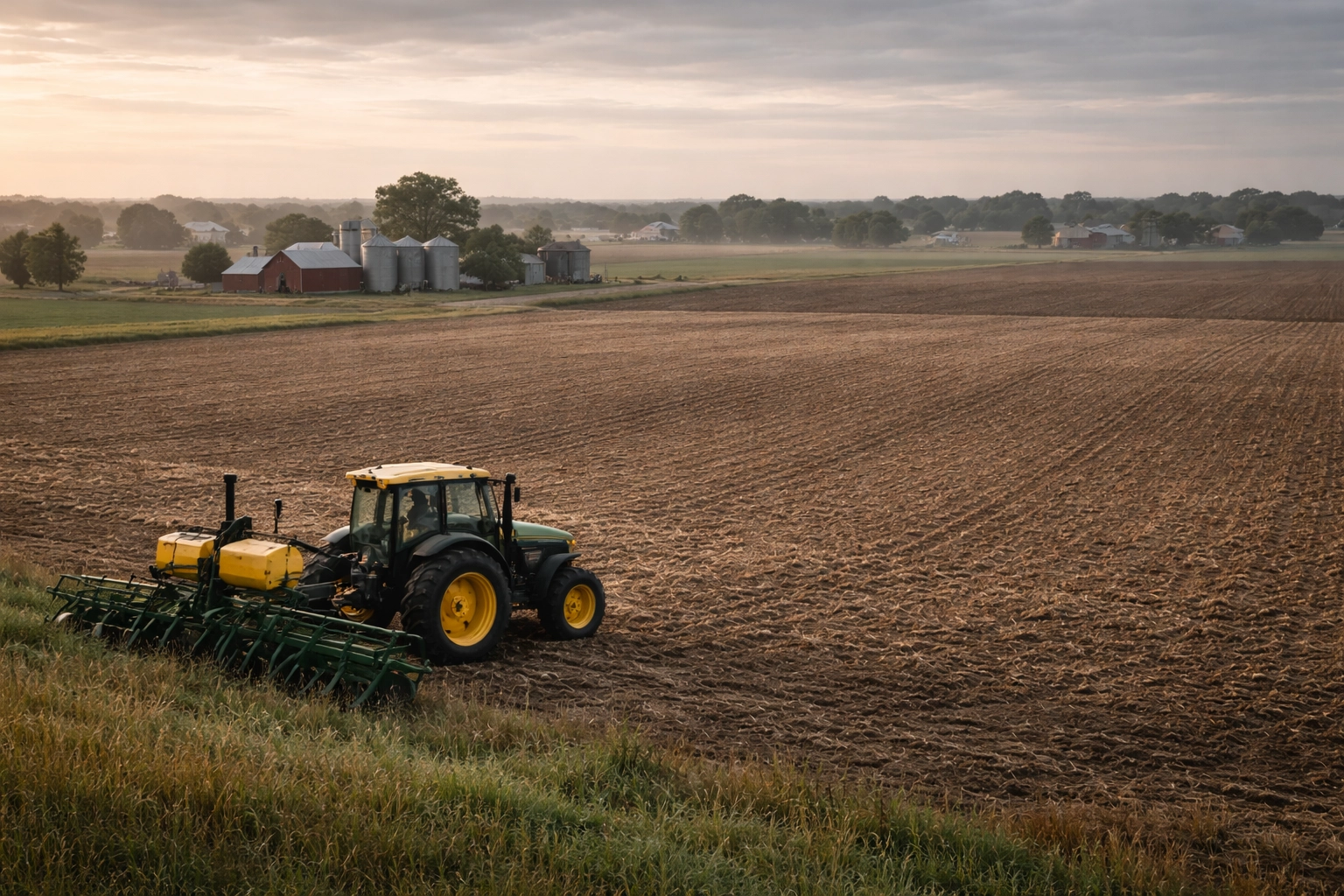
Regional Signals Reveal Uneven Exposure
Midwest Row Crop Systems Feel the Loss of a Safety Valve
Across the Corn Belt, from Iowa to Illinois to Minnesota, planting decisions remain largely intact. Yield potential remains strong, and infrastructure is well established.
Yet conversations with farm managers and lenders reveal growing caution. Cash rents have been slow to adjust downward. Equipment replacement is being deferred. Input purchases are increasingly timed to preserve liquidity rather than optimize yields.
Data from the National Agricultural Statistics Service show stable acreage but do not capture these financial adjustments. Industry observers note that in past downturns, the expectation of federal aid allowed producers to maintain investment levels longer. Without it, risk is internalized more quickly.
Smaller and mid-sized operations are particularly exposed. Larger farms can spread risk across acreage and access capital markets more easily. Smaller farms rely more heavily on operating loans, which are becoming costlier as interest rates remain elevated.
What is emerging is not a sudden crisis, but a slow exposure of risk. In that context, “farm aid missing” has become less a slogan and more a description of the moment confronting US agriculture in 2026.
California Specialty Crops: Fixed Costs, Limited Margin
In California, the absence of new aid amplifies long-standing structural challenges.
Specialty crop producers face high fixed costs tied to labor, water, and compliance. Groundwater regulations have reduced irrigated acreage in parts of the Central Valley. Labor costs continue to rise amid persistent shortages.
While revenues per acre are high, margins are sensitive to disruption. Recent NASS reports indicate gradual contraction in certain fruit, nut, and vegetable segments, with smaller operations disproportionately represented among exits.
Market participants indicate that without additional funding, some growers are scaling back acreage or shifting to lower-input crops. Conservation and climate programs offer support, but they are competitive and often slow to deliver relief.
Southeast Livestock Operations Navigate Volatility Alone
In the Southeast, livestock producers face a combination of weather variability and feed cost uncertainty.
States such as Georgia and Alabama have experienced irregular rainfall, complicating pasture management. Cattle producers report increased reliance on purchased feed, raising exposure to grain price swings.
Poultry growers, often operating under contract, have limited pricing power. Rising costs compress margins, particularly for smaller operators.
Extension economists note that herd expansion plans have slowed. In previous cycles, disaster assistance helped stabilize these systems. The current funding environment offers no comparable assurance.
Why This Matters
The exclusion of farm aid from the funding package matters less as a single decision and more as a signal of policy direction.
First, it alters risk calculations at the farm level. When producers no longer expect supplemental support, they respond conservatively—reducing investment, delaying maintenance, and limiting innovation. Over time, this can erode productivity and resilience.
Second, it reshapes credit behavior. Lenders incorporate policy expectations into risk assessments. Without the prospect of aid, perceived risk rises, tightening credit availability at precisely the moment farms need flexibility.
Third, it accelerates structural change. Larger operations with stronger balance sheets are better positioned to absorb volatility. Smaller farms face higher exit risk, contributing to consolidation trends already underway.
Industry observers emphasize that these effects accumulate quietly. There is no sudden collapse, but the sector gradually reorganizes around capital access rather than production efficiency alone.
Over the past several budget cycles, one issue keeps resurfacing: Democrats opposing Department of Homeland Security (DHS) funding bills — and how that political standoff can ripple across other agencies, including the U.S. Department of Agriculture (USDA).
USDA’s Existing Toolkit Comes Under Scrutiny
With no new aid forthcoming, attention turns to USDA’s existing programs.
The Farm Service Agency plays a central role. Its operating and ownership loans provide liquidity to producers who struggle to secure commercial credit. Demand for these loans has increased as interest rates rise.
However, FSA capacity is finite. Application volumes have grown faster than staffing and processing resources in some regions. Delays can pose challenges for seasonal operations that depend on timely financing.
Crop insurance remains the cornerstone of risk management. It effectively addresses yield and revenue variability within defined parameters. Yet it does not compensate for sustained cost inflation or multi-year margin compression.
Disaster assistance programs remain available, but they are reactive and event-specific. They do not address the broader financial stress of operating in a high-cost, high-risk environment.
USDA budget documents suggest that while baseline programs remain intact, discretionary expansion faces constraints. Conservation and climate-smart initiatives are oversubscribed, reflecting demand that outpaces funding.
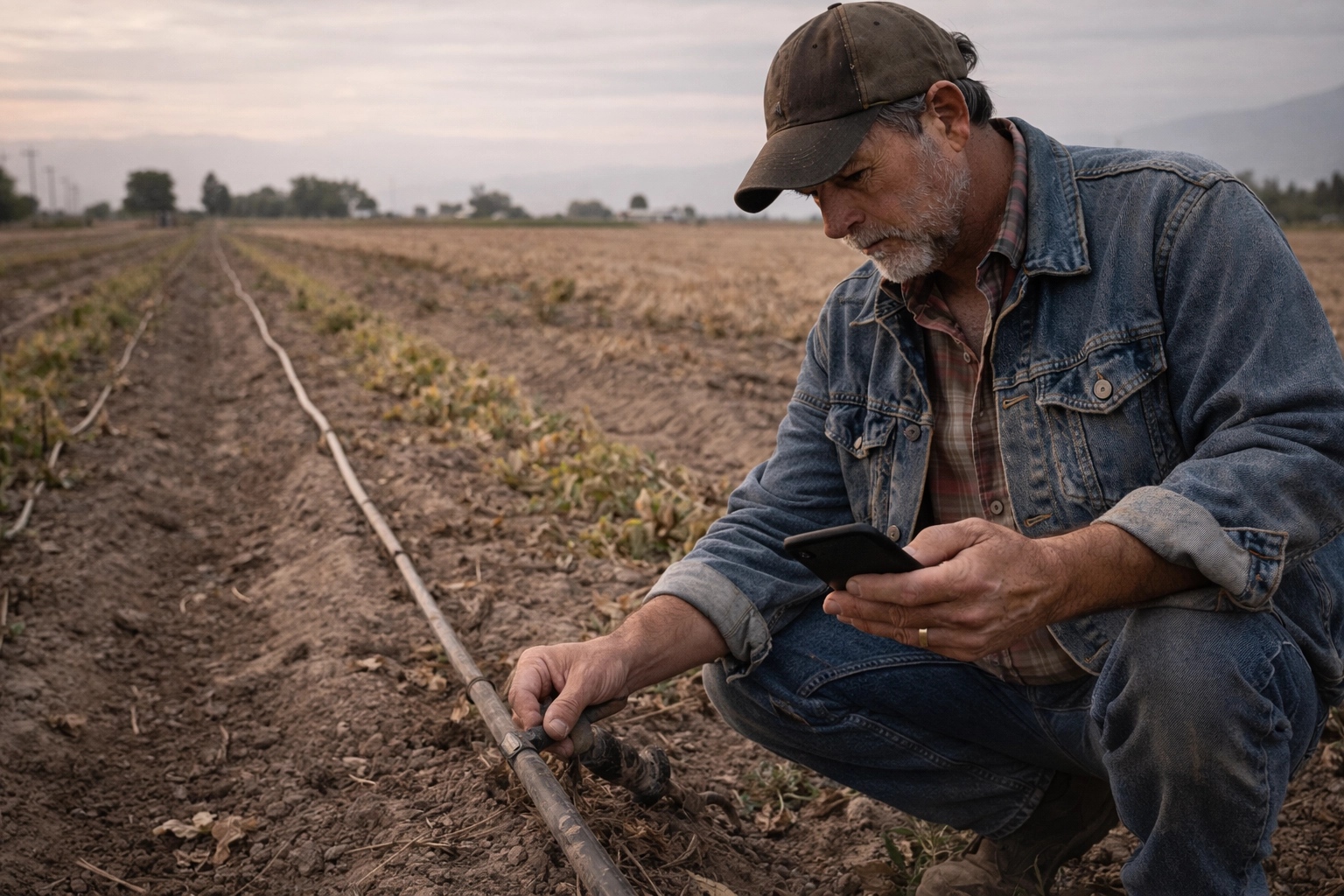
Credit Markets Adjust to a New Assumption
One of the clearest responses to the funding decision is emerging in agricultural credit markets.
Federal Reserve district surveys indicate that loan demand remains strong, but lender caution is increasing. Working capital ratios have declined, particularly among smaller borrowers. Loan renewals are more likely to involve restructuring rather than expansion.
Higher interest rates magnify these dynamics. Interest expense now represents a larger share of total costs for many farms. Without the prospect of supplemental aid, lenders are reassessing repayment risk.
Some institutions report tighter underwriting standards. Others are increasing collateral requirements. These measures reduce liquidity in the farm economy, reinforcing the pressure created by missing aid.
Market participants describe a feedback loop: tighter credit increases stress, which justifies further caution.
Demographics and Consolidation Pressures Intensify
The funding decision intersects with demographic realities.
The average US farmer continues to age. Succession planning remains uneven, particularly among smaller operations where profitability is uncertain. Without additional support, farms nearing transition may opt to sell rather than reinvest.
Buyers are often larger neighbors or investment-backed entities, accelerating consolidation. Younger farmers face high barriers to entry, including land prices and capital requirements.
Analysts suggest that missing aid may not immediately reduce production, but it could quietly reshape who farms and how land is held over the next decade.
Climate Risk Without Extra Capacity
Climate volatility has become a defining feature of US agriculture.
Droughts, floods, hurricanes, and wildfires occur with increasing frequency and overlap across regions. This challenges the assumptions underlying traditional risk management.
ERS research indicates that climate-related losses are becoming more correlated nationally, reducing the effectiveness of diversification. Insurance programs absorb some losses, but long-term adaptation requires capital investment.
Without supplemental funding, many farms delay these investments. Irrigation upgrades, soil health practices, and diversification strategies are postponed, potentially increasing future vulnerability.
Policy analysts warn that this dynamic may lead to larger losses and more disruptive interventions later.
One of the biggest concerns right now is how a potential shutdown could delay or disrupt the 2026 US farm budget—the funding that supports crop insurance, farm loans, conservation programs, disaster assistance, rural development, and agricultural research.
What’s Next for USDA?
Looking ahead, the exclusion of farm aid sets the stage for a more constrained policy environment.
In the near term, USDA will rely heavily on existing programs. Loan demand is likely to remain elevated. Insurance participation will stay high. Disaster programs may see increased use as weather events occur.
Beyond 2026, pressure may build for recalibration. Farm bill discussions, budget negotiations, and climate adaptation debates will shape the next phase.
Consolidation is expected to continue. Technology adoption will skew toward well-capitalized operations. Risk management strategies will evolve unevenly.
Industry observers note that this moment may represent a transition—a shift toward a leaner federal role that forces structural change within US agriculture.

Closing Perspective
The omission of farm aid from the latest funding package is a subtle but consequential development.
Core USDA programs remain in place, and agriculture is not without support. Yet the absence of supplemental aid exposes the limits of the existing safety net at a time when cost pressure, climate risk, and credit constraints converge.
Whether this becomes a temporary pause or a lasting reset will depend on how markets, weather, and policy evolve. For now, USDA faces the challenge of managing growing risk with fewer discretionary tools—a reality that is reshaping expectations across US agriculture.

Written by Janardan Tharkar – an agriculture content researcher and blogging professional with practical experience in farming education, digital publishing, and SEO content optimization. Janardan focuses on modern U.S. agriculture trends, smart farming technologies, irrigation systems, crop development, organic farming practices, and farmer-support programs to create helpful, practical, and trustworthy content for American readers.