Why Organic Farming Matters More Than Ever in the USA
Organic farming isn’t just a trend anymore in the United States—it’s becoming a necessity. Across America, farmers, gardeners, and even small backyard growers are asking the same questions:
“How do I reduce chemical dependency?”
“How can I grow healthier crops and still stay profitable?”
“Will organic farming actually work in real U.S. conditions?”
From California’s vegetable fields to dairy farms in Wisconsin and family farms in Texas, the push toward safer food, healthier soil, and sustainable farming is stronger than ever. Organic farming offers a path to healthier crops, improved soil life, environmental protection, and consumer trust.
But it also comes with challenges—certification costs, strict standards, labor needs, and learning curves.
This guide will walk you through organic farming in the USA in a simple, practical, human way. You’ll learn what it truly means, how it works, how American farmers are using it, how to get certified, and whether it makes financial sense.
What Is Organic Farming? (Simple, Real-World Meaning)
Organic farming is a farming system that focuses on natural processes instead of synthetic chemicals. It’s about working with nature rather than forcing it.
According to globally accepted explanations of organic farming, such as those discussed on Wikipedia’s Organic Farming page, organic farming avoids synthetic fertilizers, pesticides, genetically modified organisms, and focuses on soil health, biodiversity, and ecological balance.
In the United States, organic farming is not just a claim—it is regulated. The U.S. Department of Agriculture (USDA) has strict standards under the National Organic Program (NOP). You can explore their official rules directly through the USDA (.gov) organic program resources, which provide trusted government-backed guidance.
FoxFarm soil has become a household name among gardeners and growers in the United States—and for good reason.
Why So Many U.S. Growers Struggle With Soil Quality
Why Organic Farming Is Growing So Fast in the USA
Real Reasons American Farmers Are Switching
- Increasing consumer demand for chemical-free foods
- Higher market value for organic produce
- Health-conscious lifestyle growth
- Soil damage from years of chemical farming
- Climate and sustainability concerns
Common U.S. Crops Grown Organically
- Vegetables and fruits
- Dairy
- Poultry
- Wheat and grains
- Specialty produce
Many U.S. universities and agricultural research institutions (.edu) also stress the importance of soil biology, organic matter, and reduced dependency on chemicals—core principles of organic farming.
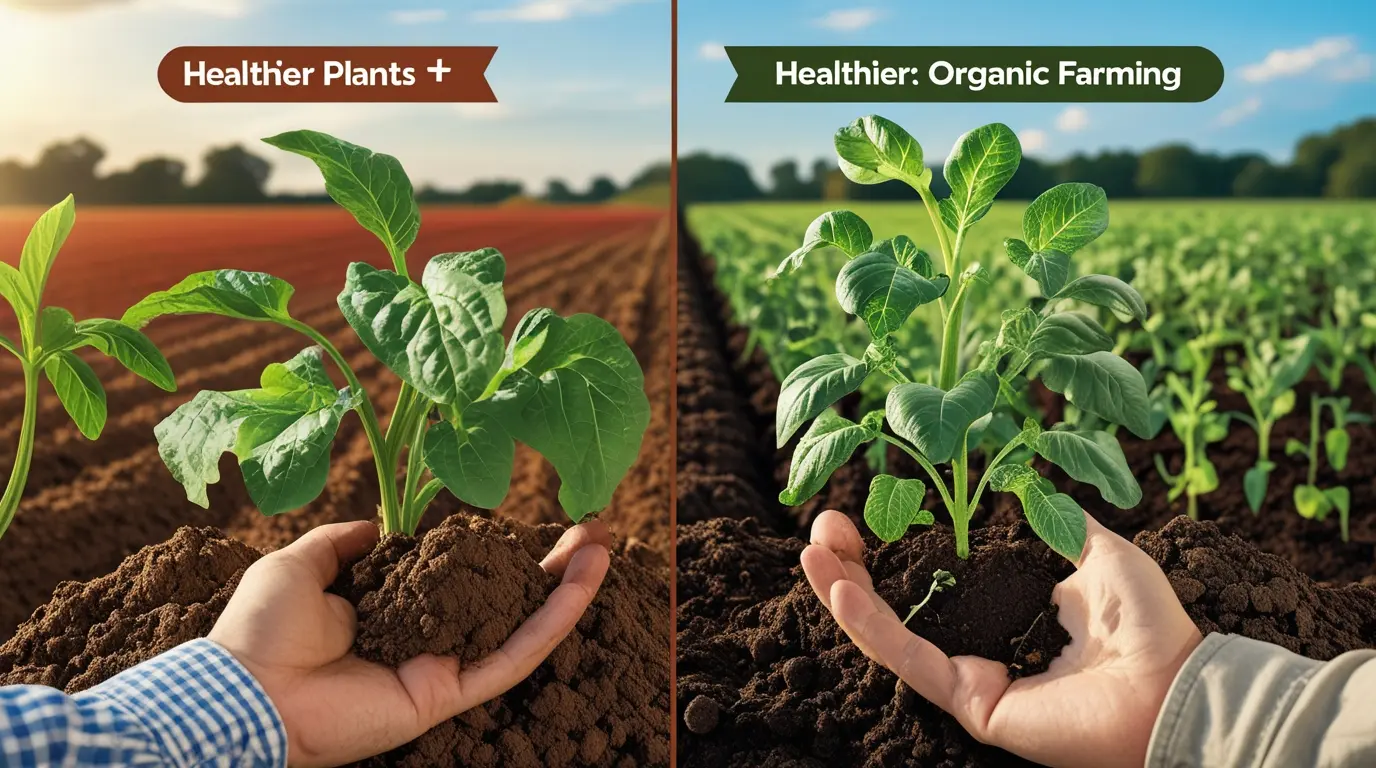
Benefits of Organic Farming for U.S. Farmers and Consumers
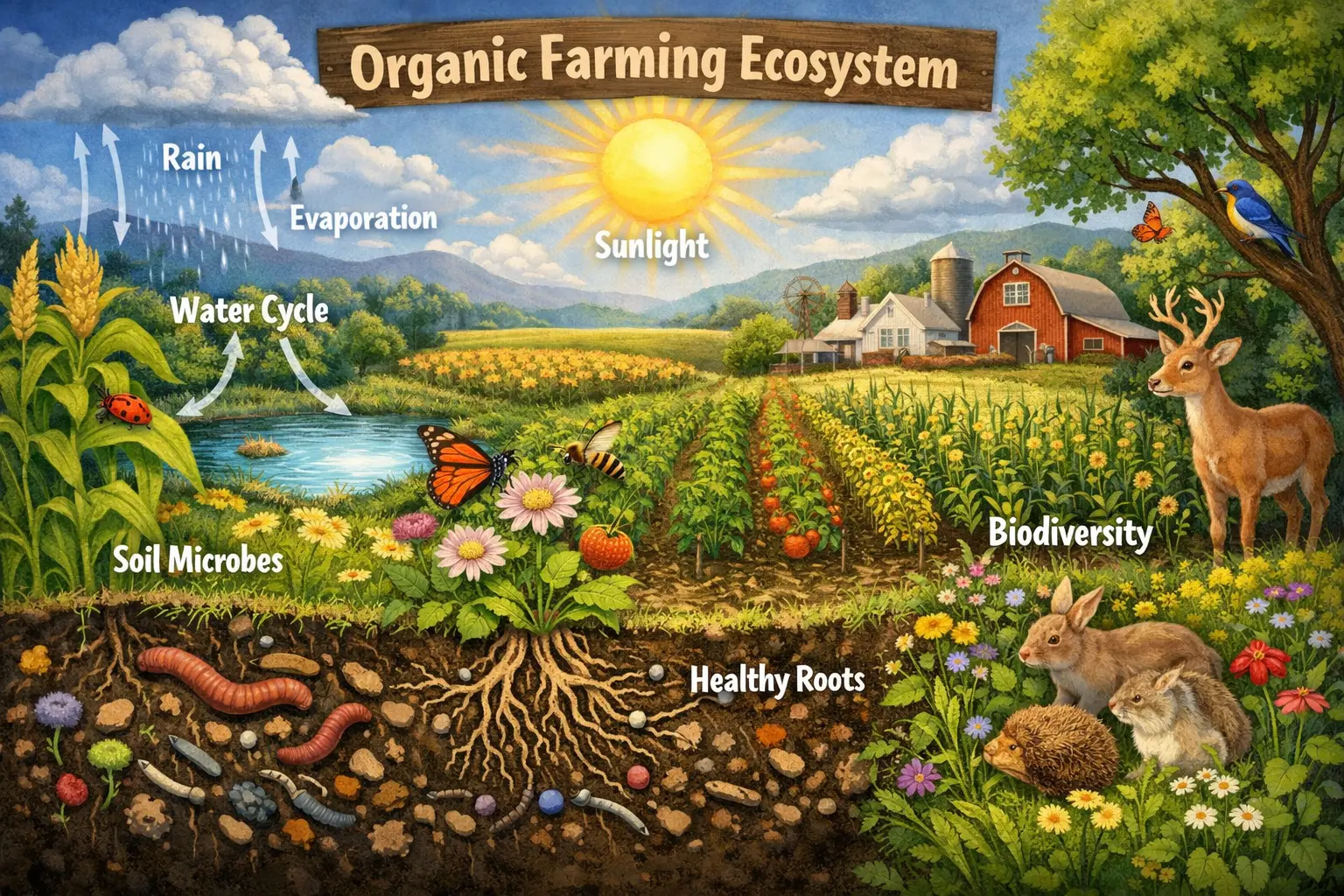
Organic farming is not only about “no chemicals”—it changes the entire ecosystem of farming.
Economic Benefits
- Premium market prices
- Brand trust and differentiation
- Long-term soil productivity
- Reduced chemical purchase dependency
Environmental Benefits
- Healthier soil structure
- Reduced water pollution
- Biodiversity improvement
- Better ecosystem balance
Health & Social Benefits
- Safer food production
- Reduced exposure to harmful residues
- Stronger consumer trust
For many farmers, organic farming means stability and sustainability, not just profit.
How Organic Farming Works: Core Principles Explained Simply
Organic farming is built on specific principles:
- Healthy Soil → Healthy Plants → Healthy People
- Natural inputs instead of synthetic chemicals
- Respect for biodiversity
- Long-term soil care rather than short-term yield focus
Rising land costs, unpredictable weather, labor shortages, and tight margins make it hard for beginners to know where to start and what actually works.
Key Organic Farming Practices in the USA
Let’s break down the major methods U.S. farmers actually use.
1️⃣ Organic Soil Management
Healthy soil is everything in organic farming.
Methods Used:
- Composting
- Adding manure responsibly
- Using cover crops
- Increasing organic matter
- Enhancing microbial life
Good soil reduces disease risk and improves yield naturally.
2️⃣ Crop Rotation and Diversity
Growing the same crop repeatedly damages soil. Organic systems rotate crops to maintain nutrient balance.
Example rotation:
Corn → Beans → Vegetables → Cover crop
This reduces pests, improves nitrogen levels, and builds soil strength.
3️⃣ Natural Pest and Disease Management
Since synthetic pesticides are not allowed, farmers use natural strategies.
Common techniques:
- Neem-based solutions
- Beneficial insects
- Trap crops
- Physical barriers
- Biological control
The goal is management, not eradication.
4️⃣ Weed Management
Weeds are a major challenge, but they’re controlled naturally through:
- Mulching
- Manual or mechanical weeding
- Cover crops
- Proper spacing
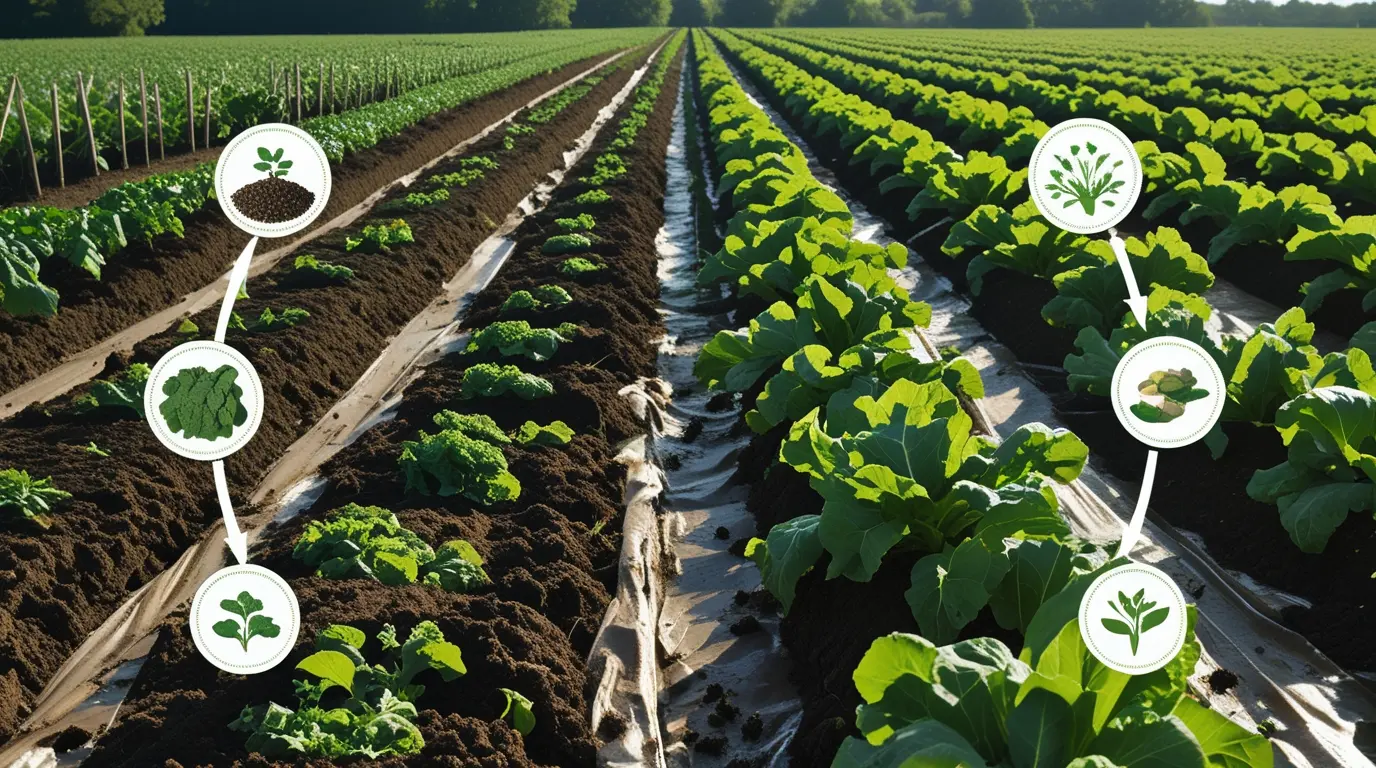
Organic Farming vs Conventional Farming (Clear Comparison)
| Factor | Organic Farming | Conventional Farming |
|---|---|---|
| Chemicals | Avoids synthetic | Uses chemical inputs |
| Soil Health | Improves long-term | Often degrades over time |
| Cost | Higher labor, lower chemical cost | Lower labor, higher chemical cost |
| Market Price | Higher selling price | Standard price |
| Certification | Required for labeling | Not required |
| Sustainability | High | Moderate to low |
Organic Certification in the USA: How It Actually Works
Organic farming in the U.S. is regulated, not self-claimed. If you want to sell products labeled “Organic,” you need USDA certification.
Who Oversees Organic Certification?
The USDA National Organic Program (NOP) sets standards and monitors compliance. Farmers can learn through the official USDA organic portal, which provides accurate, government-backed resources.
Steps to Get Certified Organic in the USA
1️⃣ Follow organic practices for at least 3 years
2️⃣ Apply to a USDA-accredited certifying body
3️⃣ Prepare documentation & farm plan
4️⃣ Field inspection
5️⃣ Certification approval
After approval, farmers can legally use the USDA Organic Seal.
Is Organic Farming Profitable in the USA?
Many farmers ask this honestly—and the answer is yes, but it depends.
Where Profitability Is Highest
- Vegetables
- Fruits
- Dairy
- Poultry
- Specialty produce
Factors Affecting Profit
- Market access
- Location
- Farm scale
- Management skills
Organic farming often provides higher selling prices, but it may require higher labor and management skills.
Farming in the USA looks powerful from the outside—endless cornfields, massive tractors, and high-tech equipment. But behind that image is a real challenge many Americans don’t see. This guide is written for USA readers who want a clear, honest understanding of American farming
Challenges of Organic Farming (Honest Reality Check)
Organic farming is powerful, but not easy.
Biggest Challenges
- Pest and weed control struggles
- Certification cost and paperwork
- More labor
- Longer learning curve
- Lower yields in some cases
However, strong community support, training programs, and USDA guidance help farmers overcome these challenges.
Best Crops for Organic Farming in the USA
Organic farming works best for:
- Leafy greens
- Tomatoes
- Strawberries
- Peppers
- Wheat
- Organic poultry & dairy systems
Each crop requires proper planning, but these categories show strong performance in U.S. organic markets.
Getting Started With Organic Farming in the USA
If You Are a Beginner
- Start small
- Learn soil health basics
- Reduce chemical dependency gradually
- Consider certification later
If You Are Already Farming
- Transition step by step
- Improve soil health first
- Study your climate & market
Government Support and Research Resources
The U.S. government supports organic farming through:
- USDA organic programs (.gov)
- Research Grants
- University Extension Guidance (.edu)
University agricultural extensions across the U.S. offer training, research, and practical on-field guidance to help farmers grow successfully.
Frequently Asked Questions About Organic Farming
1️⃣ Is organic farming really better than conventional farming?
Organic farming supports long-term soil health, reduces chemical residues, and promotes sustainability. Conventional farming can offer higher yields in some cases, but organic farming focuses on quality, ecosystem health, and consumer trust.
2️⃣ Is organic farming profitable in the USA?
Yes, organic products typically sell at higher prices. However, profitability depends on crop selection, management, location, and marketing strategy.
3️⃣ How hard is it to get USDA organic certification?
It requires commitment, documentation, and inspection. It is achievable, especially with USDA and extension support.
4️⃣ Do organic farms use pesticides?
They cannot use synthetic chemical pesticides but may use approved natural or biological pest controls under regulation.
5️⃣ Can small farmers do organic farming?
Absolutely. Many successful organic farms in the U.S. are small to mid-scale family farms.
Conclusion: Organic Farming Is Not Just a Method—It’s a Future Strategy for the USA
Organic farming in the USA represents something bigger than just growing crops. It represents healthier food, stronger soil, safer farming communities, environmental responsibility, and long-term sustainability.
If you are a beginner, you don’t have to transform everything at once. Start learning. Start improving soil. Start reducing chemicals. Build trust with your market.
If you’re already farming, organic farming can help you build resilience and secure your future.
The future of American agriculture isn’t just about producing more food—it’s about producing better food, responsibly.
Author Bio
Written by Janardan Tharkar – SEO content researcher with practical experience in blogging, digital publishing, and content optimization.

Written by Janardan Tharkar – an agriculture content researcher and blogging professional with practical experience in farming education, digital publishing, and SEO content optimization. Janardan focuses on modern U.S. agriculture trends, smart farming technologies, irrigation systems, crop development, organic farming practices, and farmer-support programs to create helpful, practical, and trustworthy content for American readers.