Policy Tension Beneath a Stable Glass of Milk
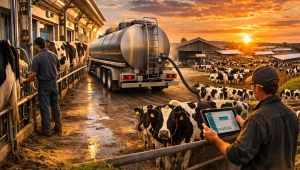
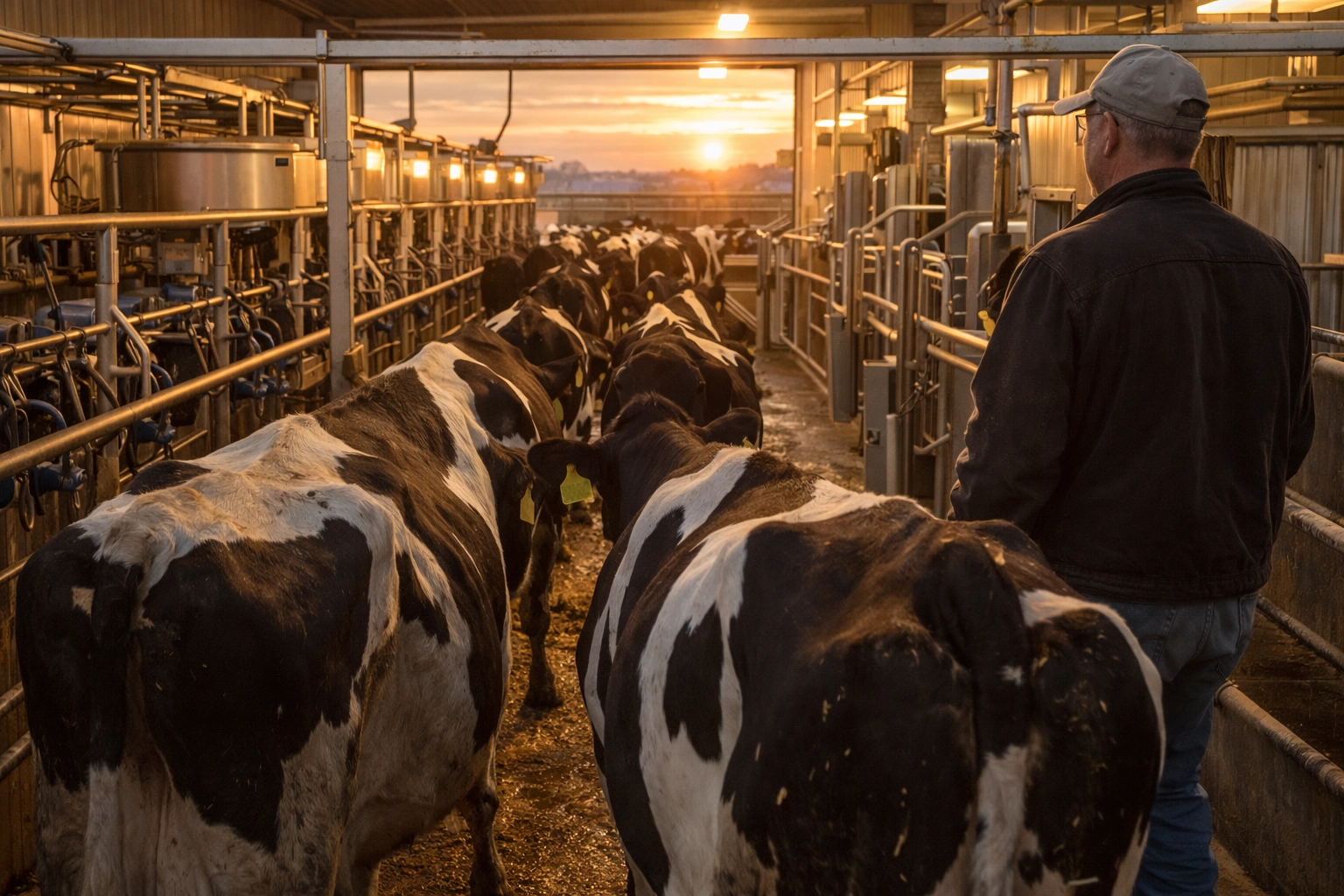
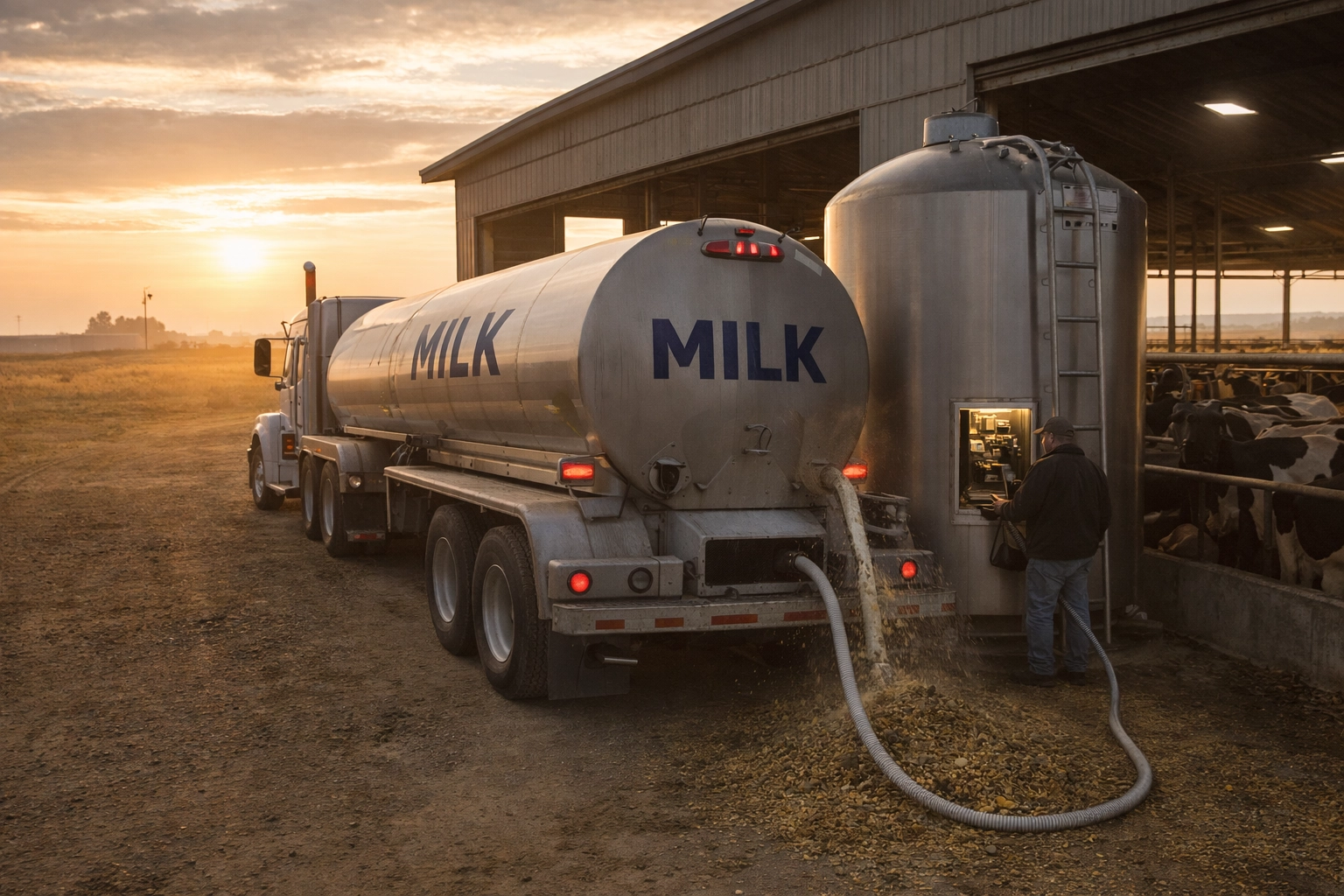
At dawn in central Wisconsin, the milking parlor lights come on long before the sun appears over the barns. Cows move calmly through the holding area, stepping into stainless steel stalls where automated milking units quietly begin their work. To someone unfamiliar with agriculture, the scene looks timeless—almost unchanged from decades ago.
Yet behind that calm routine lies a complex economic and policy structure shaping every gallon of milk produced in the United States.
In 2026, American dairy farmers find themselves operating within a system where milk production is slowly rising, but margins remain uncertain. Feed costs fluctuate with global grain markets, energy prices influence transportation and processing expenses, and federal dairy policy continues to evolve under political pressure.
U.S. Milk production is not simply the result of herd size or farm efficiency. It is also influenced by federal safety-net programs, regional milk pricing rules, and global trade dynamics that determine the value of dairy exports.
According to recent production data published by the U.S. Department of Agriculture, U.S. dairy farms continue to increase output primarily through improved productivity rather than rapid expansion of cow numbers. These trends are tracked in detail through USDA statistical reporting programs that monitor the structure of the dairy sector across the country.
The result is a dairy industry that appears stable on the surface—but is quietly navigating institutional uncertainty beneath it.
The Policy Framework Guiding U.S. Dairy Markets
Federal dairy policy in the United States is built around a framework designed to balance market volatility with income stability for producers. Unlike some agricultural commodities, milk cannot easily be stored for long periods in its raw form, making price swings particularly challenging for farmers.
One of the most important policy tools currently supporting dairy producers is the Dairy Margin Coverage (DMC) program. Instead of guaranteeing a milk price, DMC protects farmers when the margin between milk prices and feed costs drops below a specific threshold.
In simple terms, the program attempts to address the biggest financial risk facing dairy farms: rising feed costs during periods of weak milk prices.
Feed expenses typically account for about half of total dairy production costs. This relationship between milk prices and feed inputs is why margin protection programs have become central to modern dairy policy.
The economic foundations of the program—and broader dairy sector cost structures—are regularly analyzed by the USDA Economic Research Service, which publishes detailed reports on production costs and market trends across U.S. agriculture. These reports help policymakers understand how changing input prices affect farm profitability.
You can see an overview of dairy market conditions through the USDA’s ERS dairy sector analysis:
https://www.ers.usda.gov/topics/animal-products/dairy/
Alongside DMC, another key institutional pillar is the Federal Milk Marketing Order (FMMO) system. This regulatory framework determines how processors pay farmers for milk depending on how it is used—whether for fluid milk, cheese, butter, or milk powder.
Because dairy products have different market values, the pricing formulas attempt to ensure farmers receive equitable payments across regions and product categories.
Although the system dates back nearly a century, it continues to play a critical role in how milk markets function today.
Also Read :
A Feedlot Reality: What It Costs to Feed a Beef Cow in 2026
From corn prices to feed rations, explore the real economics behind feeding beef cattle and how rising feed costs impact feedlot profitability.
Where Policy Meets Practical Limitations
Even well-designed agricultural programs can struggle to fully reflect real-world farm conditions. Dairy Margin Coverage, for example, calculates feed costs using national average price data for corn, soybean meal, and alfalfa.
While this standardized formula allows the program to operate nationally, it does not always reflect the regional differences that farmers experience on the ground.
A dairy producer in California’s Central Valley faces different transportation costs, water constraints, and feed sourcing challenges than a farmer in Wisconsin or New York. When feed markets tighten, those regional differences can become significant.
Milk prices also fluctuate in response to broader market forces that federal policy cannot fully control.
Weekly and monthly milk production levels—tracked by the USDA National Agricultural Statistics Service (NASS)—show how productivity gains have continued to push U.S. milk output higher over time.
NASS publishes detailed reports on herd sizes, milk yield per cow, and production trends across major dairy states. These reports serve as one of the most widely used data sources in the dairy industry.
The latest production reports can be accessed here:
https://www.nass.usda.gov/Statistics_by_Subject/result.php?sector=ANIMALS%20%26%20PRODUCTS&group=DAIRY
What these numbers consistently show is that productivity growth—rather than herd expansion—has become the dominant driver of U.S. milk production.
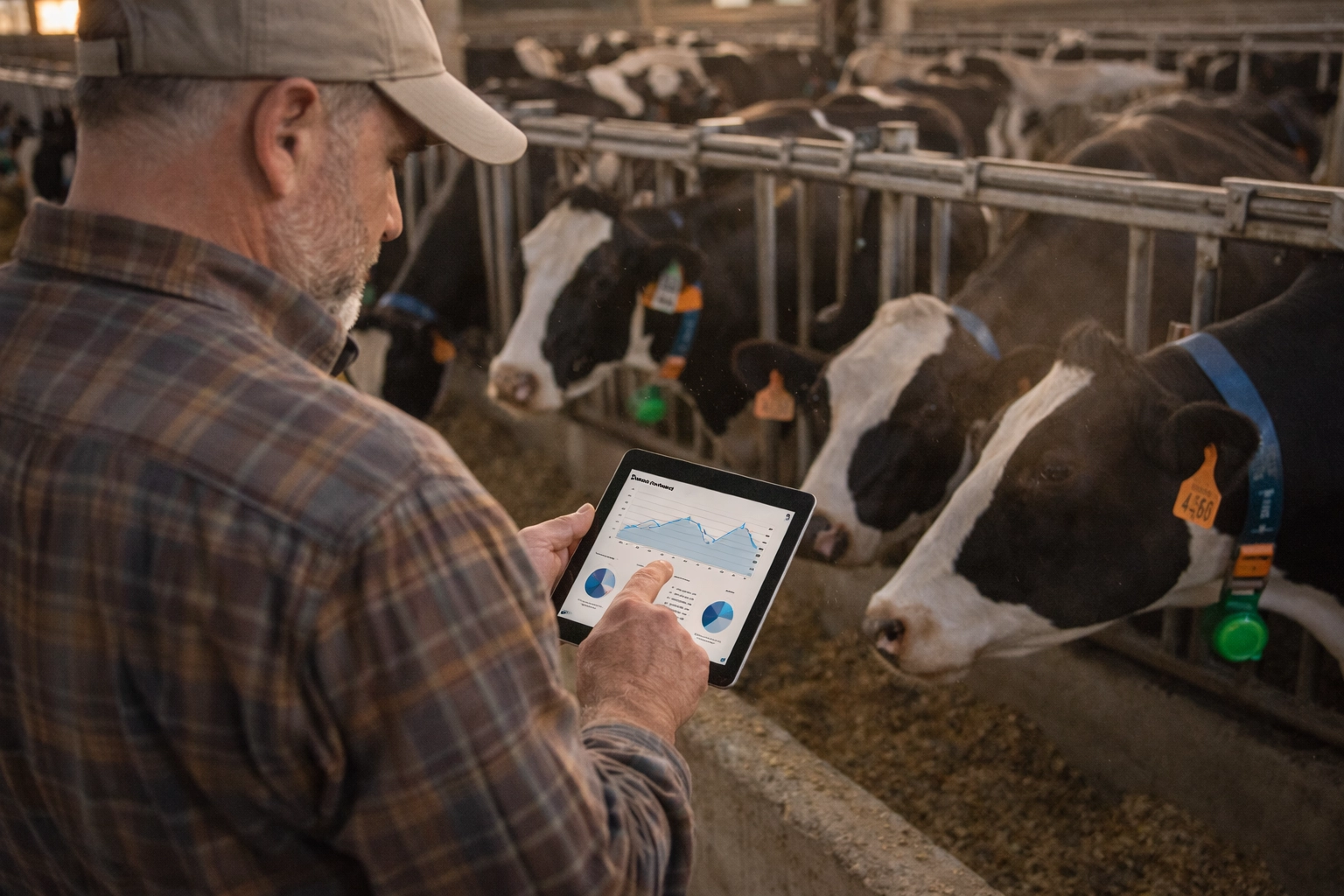
Better genetics, improved feed rations, and digital herd monitoring systems have all contributed to higher milk yields per cow.
But rising productivity also creates a structural challenge: when milk supply increases faster than demand, prices often soften.
Regional Divisions Within the Dairy Industry
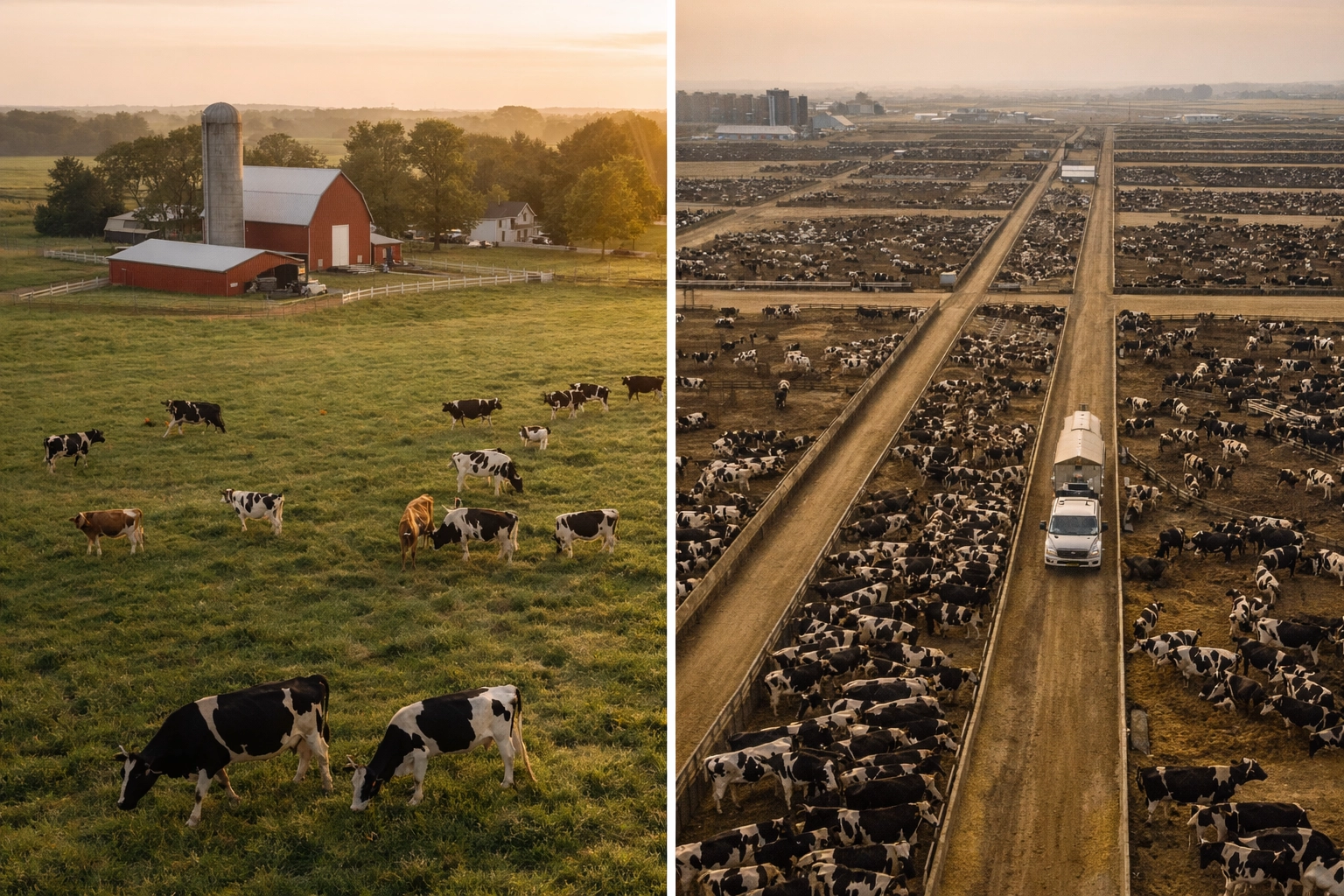
The United States dairy sector is not a single uniform system. Instead, it is made up of several regional production clusters with different cost structures, farm sizes, and market strategies.
In the Upper Midwest—states such as Wisconsin and Minnesota—family-owned dairy farms remain the backbone of the industry. Many of these operations manage herds ranging from 100 to 300 cows and rely heavily on cooperative processing networks.
These farms tend to prioritize stable milk pricing and federal safety-net programs that help them manage income volatility.
In contrast, western states such as California, Idaho, and Texas have experienced rapid growth in large-scale dairy operations. These farms often manage thousands of cows and operate highly automated milking systems.
Their economic priorities tend to focus more on efficiency, labor availability, and export competitiveness.
These structural differences shape political debates about dairy policy.
Small and mid-sized farms often advocate for stronger margin protection programs, while larger operations may prioritize regulatory flexibility and access to global markets.
Export markets have become increasingly important in this context. The USDA Foreign Agricultural Service reports that U.S. dairy exports now account for a growing share of total milk production.
Detailed export data and international market analysis can be found here:
https://www.fas.usda.gov/data/commodities/dairy
As global demand rises for products like cheese, whey protein, and milk powder, U.S. dairy farmers are becoming more connected to international trade flows.
This shift means domestic milk prices are increasingly influenced by global market dynamics.
Also Read :
Inside the Precision agriculture Boom Improving Crop Yields
Precision agriculture technologies like GPS, sensors, and data analytics are helping farmers improve crop yields, reduce input costs, and make smarter field management decisions.
Comparing Structural Pressures on Dairy Farms
The economic realities facing dairy farms vary significantly depending on scale, cost structure, and market orientation.
| Factor | Smaller Family Dairies | Large Commercial Dairies |
|---|---|---|
| Herd Size | 100–300 cows typical | Often 2,000+ cows |
| Cost Structure | Higher per-unit production cost | Lower per-unit cost through scale |
| Policy Reliance | Greater reliance on DMC safety nets | More exposure to export markets |
| Expansion Strategy | Gradual herd growth | Rapid scaling with automation |
This comparison illustrates an important structural divide within the dairy industry.
Smaller family farms tend to operate with tighter financial margins and rely more heavily on federal policy stability. Programs like Dairy Margin Coverage can make the difference between profitability and financial stress during periods of low milk prices.
Large commercial dairies, on the other hand, often benefit from economies of scale. Their production costs per unit of milk are generally lower, allowing them to compete more effectively in international markets.
However, their exposure to global dairy trade also means they are more sensitive to export demand fluctuations.
In other words, both types of farms face risk—but from different directions.
The Economic Outlook for Milk Production in 2026
Looking ahead through 2026, most analysts expect U.S. milk production to continue growing gradually.
The key driver will remain productivity improvements rather than large increases in dairy herd numbers.
Advances in genetics, improved herd health management, and precision feeding systems are helping farmers extract more milk from each cow.
At the same time, domestic dairy consumption patterns are changing.
Fluid milk consumption has declined steadily for decades as consumer preferences shift toward plant-based beverages and alternative drinks. However, demand for cheese, butter, and dairy ingredients used in processed foods has remained strong.
These products now represent the largest share of milk utilization in the United States.
As a result, dairy processors increasingly focus on cheese production and exportable dairy ingredients.
Exports therefore play an expanding role in balancing the U.S. dairy market.
Also Read :
March 2026 WASDE Report Analysis: Key Changes in Global Corn, Soybeans, and Wheat Supply
The March 2026 WASDE report reveals important changes in global corn, soybean, and wheat supply. Explore how these updates could influence crop prices, farm planning, and global agricultural markets.
Institutional Implications for Future Dairy Policy
The long-term challenge for policymakers is determining whether existing dairy programs remain aligned with the evolving structure of the industry.
Several institutional questions are likely to shape future policy discussions.
One issue involves whether the Dairy Margin Coverage program should incorporate more regionally responsive feed cost calculations.
Another ongoing debate centers on potential reforms to the Federal Milk Marketing Order system, which some industry groups argue no longer fully reflects modern dairy processing patterns.
Finally, as exports become a larger component of milk demand, dairy policy increasingly intersects with international trade policy.
Trade agreements, tariffs, and global market access now influence milk prices in ways that domestic programs alone cannot control.
These issues will likely surface in future farm bill negotiations, where lawmakers periodically reevaluate agricultural safety-net programs.
The Real Decisions Happening on Dairy Farms
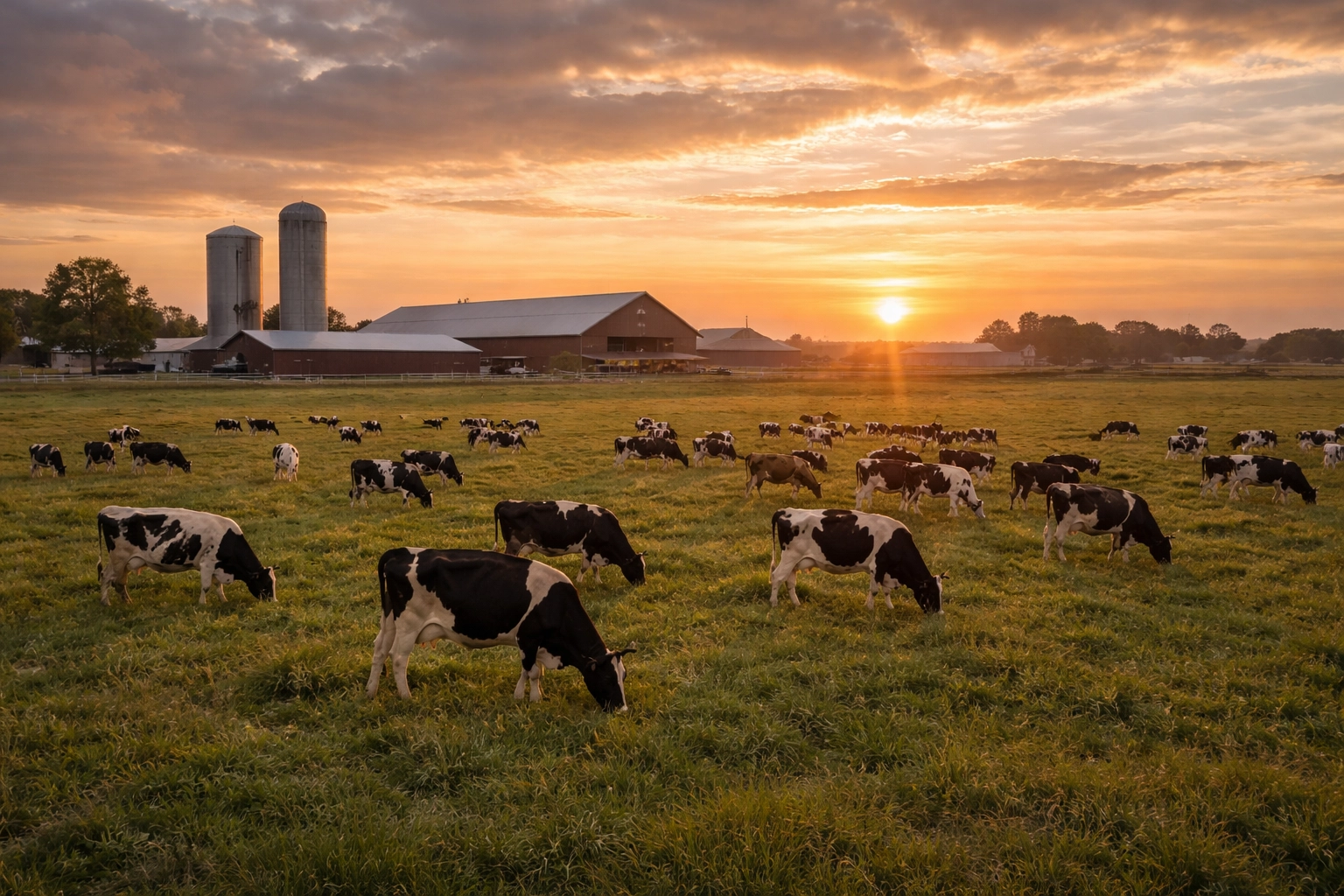
For farmers, policy debates in Washington ultimately translate into practical questions about the future of their operations.
Should the farm invest in robotic milking systems?
Is it worth expanding the herd when feed prices remain unpredictable?
Will future policy changes strengthen income protection—or leave producers more exposed to market volatility?
These decisions determine whether dairy farms modernize, expand, or exit the industry entirely.
Milk production statistics may capture the output of the dairy sector, but they cannot capture the uncertainty that farmers face when planning for the future.
The outlook for U.S. milk production in 2026 therefore reflects more than supply and demand trends. It reflects the ongoing relationship between agricultural institutions, global markets, and the everyday realities of dairy farming.
And every morning, as milking parlors begin their work across the country, those forces quietly shape the future of the American dairy industry.

Written by Janardan Tharkar – an agriculture content researcher and blogging professional with practical experience in farming education, digital publishing, and SEO content optimization. Janardan focuses on modern U.S. agriculture trends, smart farming technologies, irrigation systems, crop development, organic farming practices, and farmer-support programs to create helpful, practical, and trustworthy content for American readers.